

A sensor reacts to a physical condition and turns it into an electrical signal. Many of the cheap ones are not smart at all: they only change a voltage or a resistance, and a microcontroller reads that and turns it into a number. Some include their own chip and hand over a finished digital reading. This is the largest category, organized by what the sensor measures.
What’s here. 11
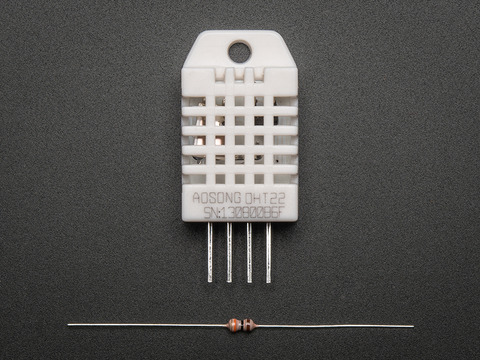
- Temperature and humidity: The most common sensors: DHT22, SHT31, BME280, DS18B20.
- Air and CO₂: True NDIR CO₂ vs fake eCO₂, plus air quality.
- Light and PAR: Lux vs PAR, PPFD, DLI, and spectrum.
- Water and chemistry: pH, EC and TDS, dissolved oxygen, ORP, ammonia, nitrite, nitrate.
- Water level: Tank and reservoir level: float switches, ultrasonic, pressure, and eTape.
- Water flow: Flow rate and total use through a pipe: hall-effect, ultrasonic, and pulse meters.
- Soil moisture: Capacitive vs resistive, tensiometers, and pro probes.
- Cameras and imaging: ESP32-CAM, Pi camera, webcams, plus motion and distance.
- Leaf wetness: Surface wetness for disease forecasting: resistance and dielectric sensors.
- Weather station: Outdoor weather: rain gauge, anemometer, wind vane, and all-in-one stations.
- The Ecowitt family: Cheap wireless weather, soil, temperature and leak sensors: which radio version to buy in your country, prices, and keeping the data local.
- Sensor comparison: A side-by-side of the common cheap sensors.
This section is filling in with the collective, one page at a time. The links above go live as each one is written and verified. To scan the whole catalog at once, browse every hardware page on one list.