

A leaf wetness sensor measures how long the surface of a leaf stays wet, and that single number is the most useful input there is to plant-disease forecasting. Fungal and bacterial diseases, apple scab, the mildews, fire blight, late blight, need a stretch of leaf wetness at the right temperature to take hold, so knowing the wetness duration lets you spray on actual risk instead of on the calendar. It is the sensor that turns disease management from guesswork into timing.
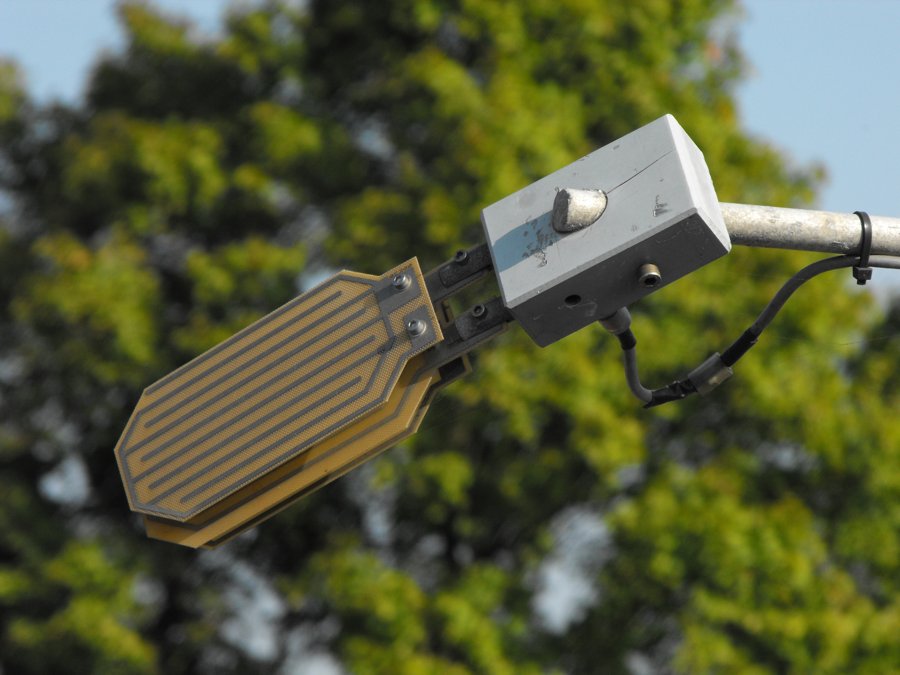
What it measures.
Surface wetness: whether a leaf is wet, from dew, rain, fog, or irrigation, and crucially for how long. Most sensors report a wet-or-dry state against a threshold, or a continuous wetness value you threshold yourself. The single reading is less interesting than the pattern over time, because what predicts disease is not that a leaf got wet but how many hours it stayed wet. So a leaf wetness sensor is really a clock for wetness, and the number you build from it is leaf wetness duration.
Why disease forecasting needs it.
This is the whole reason the sensor exists. Plant pathogens infect through a window: a leaf must stay wet for a minimum number of hours, and the warmer it is within reason, the shorter that window. Disease models pair leaf wetness duration with temperature to estimate infection risk, the apple scab Mills table is the classic, and grape, potato, and many other crops have their own. Feed those two readings to the model and it tells you when conditions actually favored infection, so you can time a fungicide to the risk. That is fewer sprays, better placed, which is the heart of integrated pest management.
The two sensor types.
Two ways to sense leaf wetness, side by side. The tinted column is the one to trust when a disease model depends on the reading.
| Spec | Resistance-grid | DielectricOur pick |
|---|---|---|
| How it senses | Water bridges interlocking electrodes | Measures the dielectric of a flat surface |
| Output | Resistance, thresholded wet/dry | A wetness value, thresholded |
| Setup | Often needs painting and conditioning | No painting; works as-is |
| Repeatability | Varies sensor to sensor | Consistent, factory-set |
| Cost | Cheap, DIY-friendly | Higher; research grade |
| Best for | A budget build, with care | A reading a disease model can trust |
The cheap, DIY-friendly type is a resistance grid: interlocking gold traces on a board where water lowers the resistance between them, read as wet or dry against a threshold. It works, but it often needs painting and conditioning and varies sensor to sensor. The dielectric type (the METER PHYTOS line and similar) measures the wetness of a flat “fake leaf” surface, needs no paint, and reads consistently, which is why it is the choice when a model relies on the number. Either way, what you do with it, accumulate the wet hours, matters more than the sensor.
Placement is everything.
A leaf wetness sensor only tells the truth if it wets and dries like the leaves you care about. Mount it in the canopy, at the height and exposure of the foliage at risk, and tilt it, commonly around thirty to forty degrees, so it sheds water and catches dew the way a real leaf does. A sensor lying flat, or out in the open above the canopy, or down where air never moves, will read wetness durations that have nothing to do with the plants. More than with most sensors, where you put it decides whether the data means anything.
Reading wetness duration.
Wiring is the easy part: the sensor gives a wet-or-dry signal, or an analog value you threshold, that any microcontroller can read. The work is in the accounting. Log the state over time, sum the hours the leaf was wet, and pair that with a temperature reading to feed a disease model. An ESP32 pushing wet/dry and temperature to Home Assistant can track leaf wetness duration and raise an alert when a wetness-and-temperature window crosses into infection risk.
Where it fits, and where it doesn’t.
Where it fits
- Orchards and vineyards with real disease pressure.
- Timing fungicide sprays to infection risk, not the calendar.
- Feeding a disease model with wetness duration and temperature.
- Greenhouses where dew and condensation drive disease.
Where it doesn’t
- Soil or air moisture; those are other sensors.
- A single snapshot; it is about duration over time.
- Replacing a disease model; it feeds one.
- Lying flat or above the canopy; placement ruins it.
Resources.
The companion reading and where the data goes; external links open in a new tab:
Temperature & humidity Pest & disease guide METER PHYTOS 31 All sensors
Frequently asked questions.
What does a leaf wetness sensor do?
It measures how long the surface of a leaf stays wet, from dew, rain, fog, or irrigation. The sensor reports wet or dry against a threshold, and over time you build up the leaf wetness duration. That duration, paired with temperature, is the key input to plant-disease forecasting, because pathogens need a window of leaf wetness to infect.
How does leaf wetness predict plant disease?
Fungal and bacterial pathogens infect only when a leaf stays wet for a minimum number of hours, and warmer temperatures shorten that window. Disease models, such as the apple scab Mills table, combine leaf wetness duration with temperature to estimate when conditions favored infection. With that, you can time a fungicide to actual risk instead of a fixed calendar, the core of integrated pest management.
What is the difference between resistance and dielectric leaf wetness sensors?
A resistance-grid sensor has interlocking gold traces where water lowers the resistance, read wet or dry against a threshold; it is cheap and DIY-friendly but often needs painting and conditioning and varies between units. A dielectric sensor measures the wetness of a flat fake-leaf surface, needs no paint, and reads consistently, which makes it the choice when a disease model depends on the number.
Where should I place a leaf wetness sensor?
In the canopy, at the height and exposure of the foliage you care about, and tilted around thirty to forty degrees so it wets and dries like a real leaf. A sensor lying flat, above the canopy in the open, or down in still air will report wetness durations unrelated to the plants. With this sensor more than most, placement decides whether the data means anything.