
Soil to sealed room, lettuce to livestock. Every grower controls some of the environment and leaves the rest to nature. The only difference is how many of the dials are in your hand. These are the doors a grower walks in by.
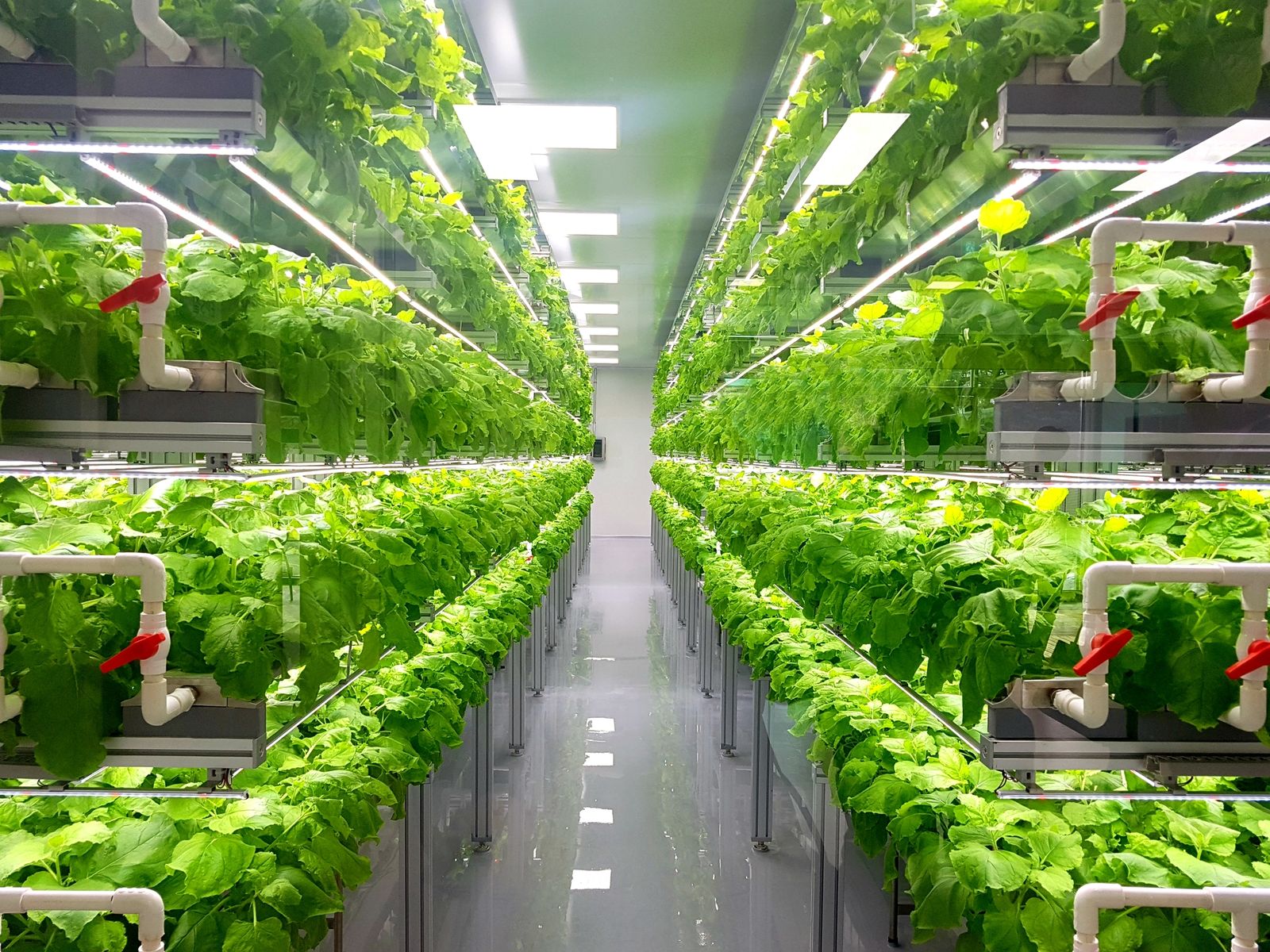
Pick a way of growing and you have picked how much of the environment you take into your own hands. A pasture works almost entirely with the weather; a sealed indoor room answers to no weather at all. Everything in between (high tunnels, greenhouses, hydroponics, aquaponics) is a grower deciding which dials to hold and which to leave to nature. Open Agriculture Technology runs the whole line, because the plant is having the same conversation at every point on it.
The spectrum of control
One idea organizes every method on this site:
Every grower controls some of the environment and leaves the rest to nature. The only difference is how many of the dials are in your hand.
- Nature holds most of the dials: soil, field, pasture, orchard. You work with the season; the genius is adaptation.
- You take a few dials from nature: high tunnels, greenhouses, season extension. You buy back a month of spring and a month of fall.
- You hold all the dials: indoor, hydroponic, sealed rooms. Every condition is a choice you made, and every mistake is yours.
It is the same plant, the same coupled system, the same truth that nothing operates alone, just a different share of the dials. Controlled environments are simply where the coupling got studied hardest, with the most instruments and the highest stakes. Open Agriculture Technology carries that understanding back down the spectrum of control to the soil grower holding three dials and fighting the same system with none of the gear.
Choose your method
Each door below opens on the same plant from a different distance. Start where you grow today; the ten inputs in Growing are the through-line that connects them all.
The same inputs, a different setting
A method is not a different kind of agronomy. It is the same ten inputs in a different setting. pH still gatekeeps every nutrient, whether the root is in field soil or a recirculating tank; vapor-pressure deficit still drives transpiration, whether the air is open sky or a sealed room. What changes is which inputs you can move and how fast they answer. pH drifts slowly through a bed of soil and swings in minutes in a bare-root tank. Humidity is yours to set in a sealed room and mostly the sky's in a high tunnel. Learn an input once in Growing; these pages tell you how it behaves in the method you actually run.
Crops, specialty, and the harvest
Method is one axis; what you grow is another. Pick a crop for its specifics, follow a specialty craft like bees or mushrooms, or carry the harvest through drying, curing, and storage, where a good season is still easy to lose.