
This door holds all of the agriculture: the ten inputs a plant answers to, every way of growing from open soil to a sealed room, and the crops themselves. Nothing the plant lives in operates alone, so start with the inputs, then climb the layers that explain how they connect. The wiring and the code live next door in Technology; here it is all plant.
Ten inputs, two zones.
A plant answers to ten things you can measure and move. Five shape the air the leaves live in; five shape the root zone below. Each page takes one: what it is, how to read it, and what to do when it drifts. Start where your trouble is, or read them in order and the connections show up on their own.
The specialist inputs.
The ten are the foundation. These are the signals the next tier of sensing unlocks: the numbers that read what the plant actually feels, not just the conditions around it. Each one is an open-at-the-wire reading that lands in your own data lake the same way the basics do.
Climb the layers.
Naming the ten inputs is where everyone starts. These pages go deeper in layers, each building on the last: from questioning the dashboard to writing a recipe that adapts over the plant's life. Start anywhere; the earlier layers build the vocabulary the later ones use.
Ways to grow.
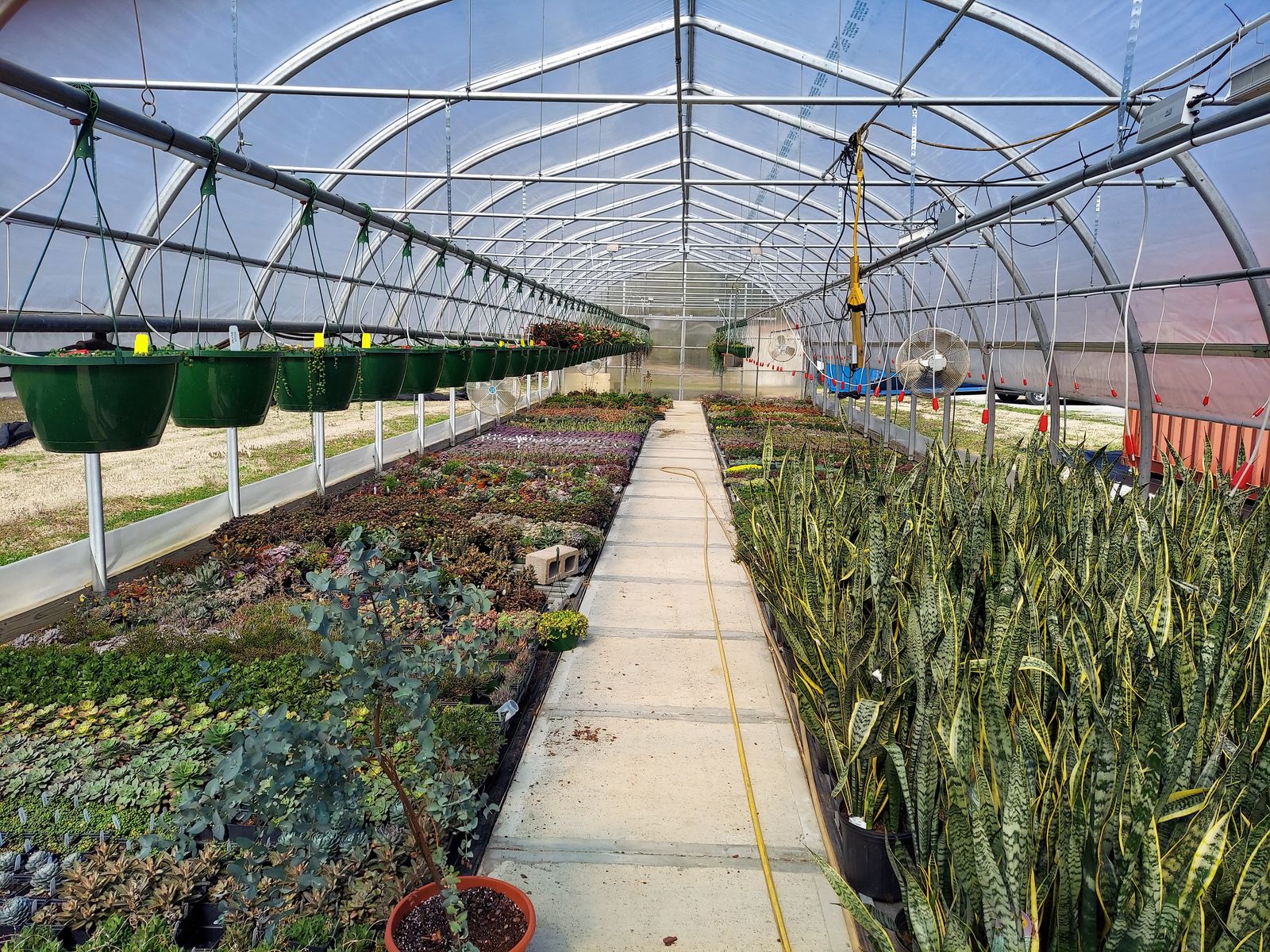
Every method is the same conversation with a different share of the dials in your hand: open soil leaves most of them to nature, a greenhouse takes a few, a sealed room takes them all. Pick the one you work in, or walk the whole spectrum of control.
What you grow.
Or come in by the crop: the profile tells you what it wants, the recipe hands you the numbers stage by stage, and post-harvest protects what you grew.