
Most growers arrive with a crop in mind, not a framework. “How do I grow strawberries?” is the real front door, so this is where what you grow meets how it grows.
Pick a crop and you have set most of the conversation: what light it wants, how it feeds, when it flowers, what it fears. A crop profile pulls those threads together, but every one of them is one of the ten inputs seen through a single plant's needs, grown by one of the methods. Crops are the front door; Growing and Methods are the rooms behind it.
Start with the crop
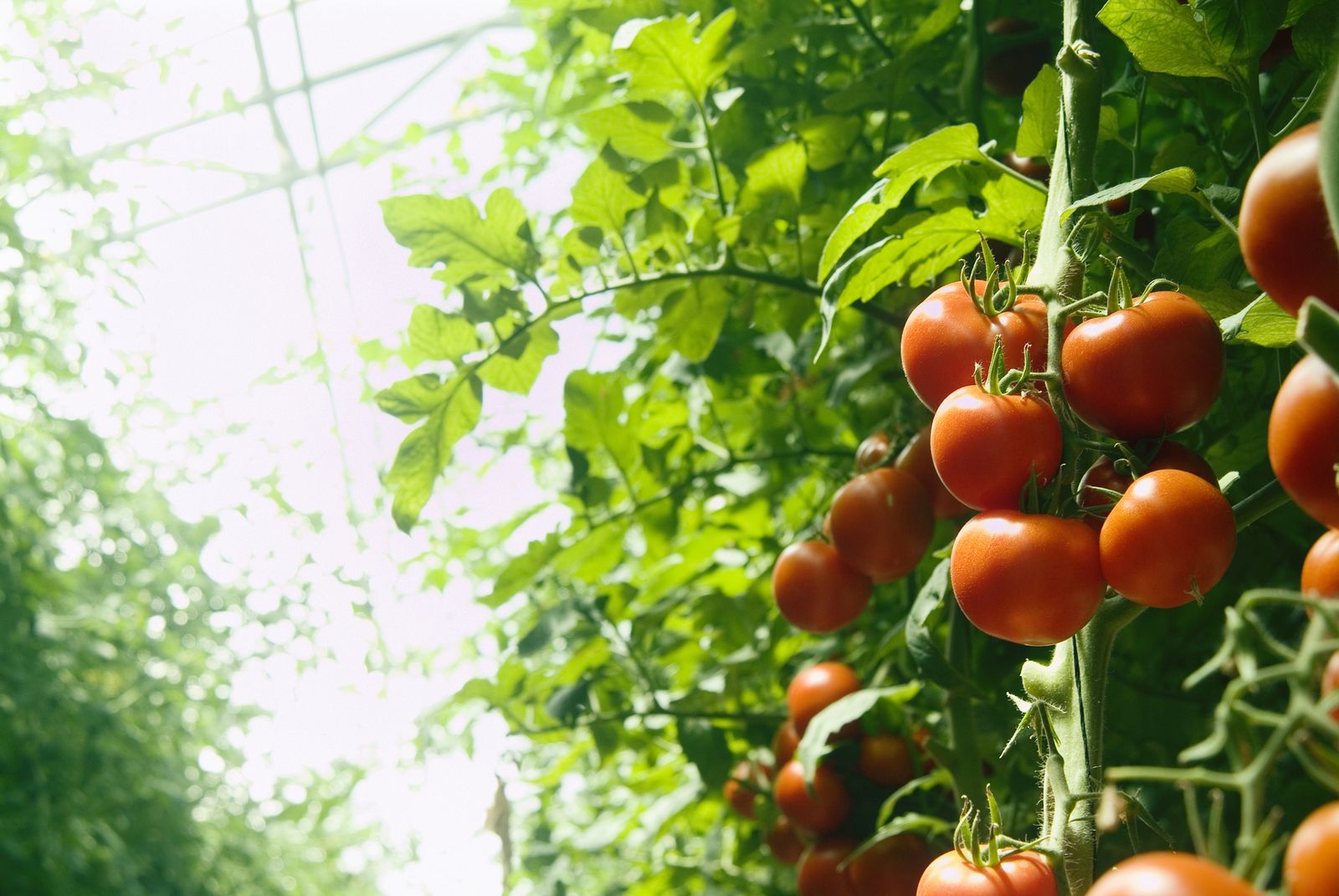
A crop is a set of preferences across the same ten inputs every plant lives in. Strawberries want cool roots and steady calcium; tomatoes want high light and a careful nitrogen taper into fruit; basil wants warmth and will bolt if you let it flower. None of that is special agronomy: it is the ten inputs with this plant's numbers filled in, on a timeline this plant follows. Learn the framework once and every new crop becomes a matter of looking up its targets, not starting over.
Profiles, cultivars, and calendars
Three things make a crop knowable: a profile (what it wants, stage by stage), a cultivar choice (which variety fits your climate, market, and method), and a calendar (when to start, transplant, and harvest where you are). The first profiles are below, each one the ten inputs with that plant's numbers filled in; the Library tools carry the cultivar and calendar questions, and we are adding crops steadily.
Behind every profile sits the plant's identity page: accepted name and synonyms, common names by language, where it is recorded, and every number the keystone holds with its source. Browse them under Species: what is this plant? (lettuce, tomato, basil, strawberry and more than ninety others).
Choosing and timing tools
Specialty & high-value crops
The crops a small grower actually makes a living on are often the specialty ones: cut flowers, microgreens, culinary herbs, hops, maple. They have their own tools and their own playbooks, and they live alongside the livestock, bees, and mushrooms in the big tent.