
Fish and plants in one loop: the fish feed the plants, the plants clean the water, and bacteria do the translating.
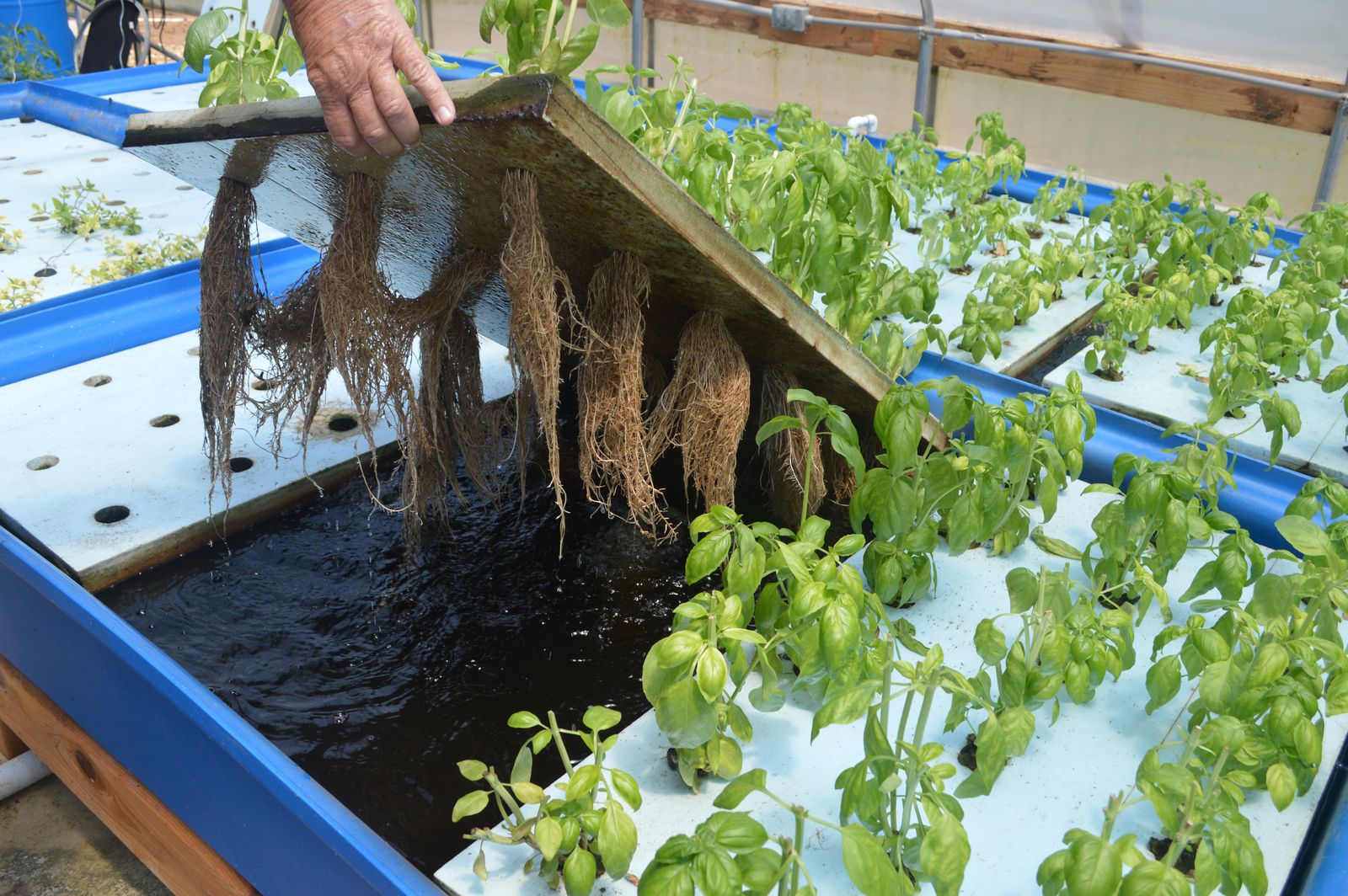
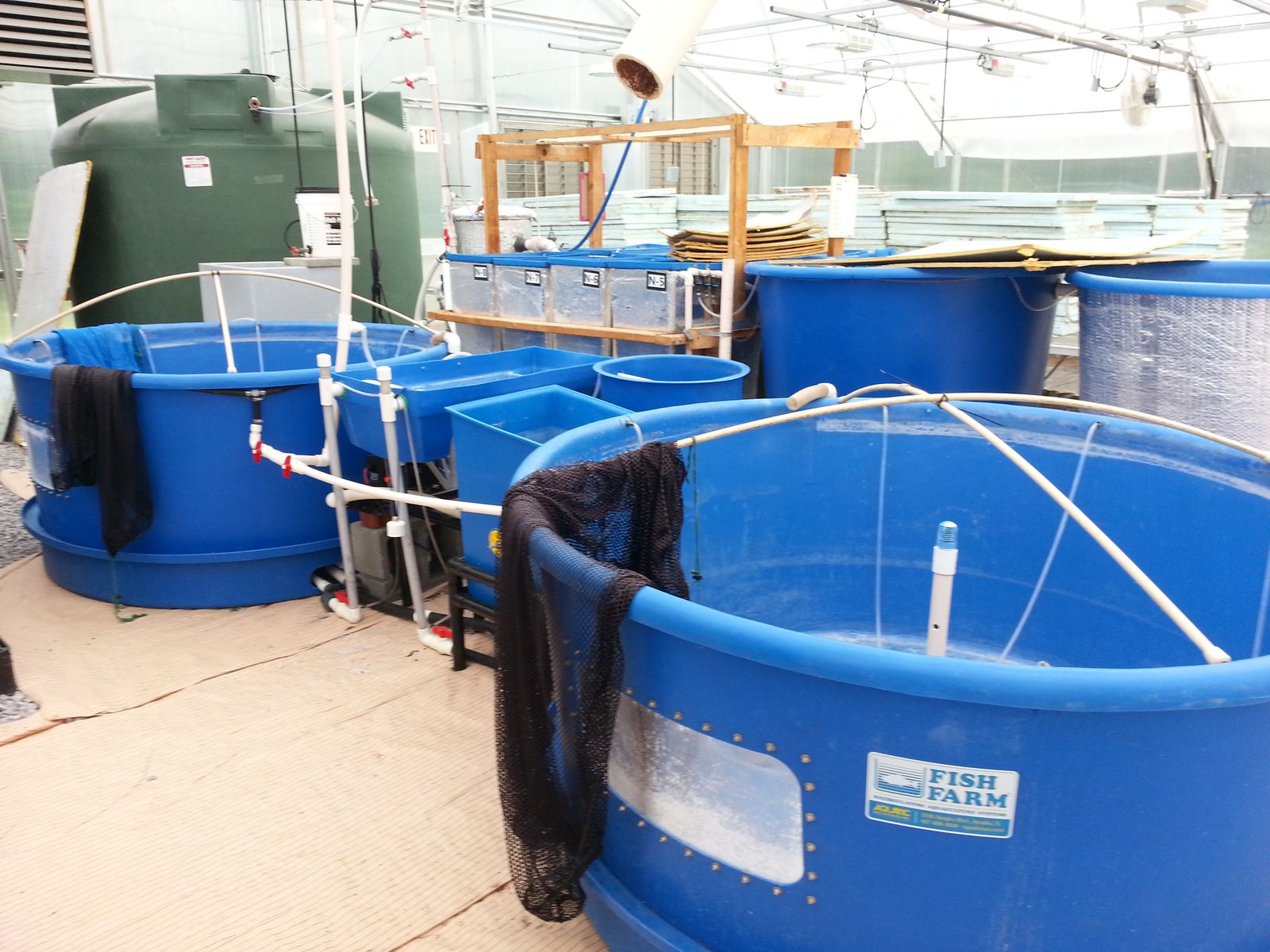
Aquaponics joins fish farming and hydroponics into one recirculating loop. Fish produce waste; bacteria convert that waste into nutrients plants can use; the plants take up those nutrients and return clean water to the fish. It is a small managed ecosystem, three living things (fish, plants, and the bacteria between them) sharing one body of water, and the grower's job is to keep all three in balance.
Where it sits
Aquaponics sits in an unusual spot on the spectrum of control: you hold the root-zone plumbing like a hydroponic grower, but you steer a living nutrient source rather than mixing one. You cannot simply dial nutrition up and down. You feed fish, and the system translates. That makes it closer to tending a soil ecosystem than running a tank, even though the hardware looks hydroponic.
The balance of three species
Every setpoint in aquaponics is a compromise among three organisms. pH is the clearest example: fish prefer it near neutral, the nitrifying bacteria want it a touch higher, and plants want it lower for nutrient availability, so you hold a middle ground that keeps all three working rather than the perfect number for any one. Dissolved oxygen feeds fish, roots, and the bacteria, so it is never optional. And nutrition arrives at the rate the fish are fed, which means you balance the system by managing stocking and feeding, then top up the few elements fish waste runs short on.
Getting it right
Cycle the system before you trust it. Give the nitrifying bacteria weeks to establish so they can keep up with the fish. Match fish stocking to plant uptake so nutrients neither starve the plants nor accumulate toward the fish. Keep the water aerated and watch the few elements (often iron, potassium, and calcium) that a fish-fed system tends to run low on. Steady beats aggressive: the loop rewards small, consistent management.
Watching it
Everything on this page balances on water that three kinds of living things share, and the fish have the least patience of the three. Plants wilt over days; fish die in hours. A dissolved-oxygen or water-temperature alarm that reaches your pocket is the difference between a bad morning and a dead system, and warm water is the double bind: it holds less oxygen exactly when the fish's metabolism wants more.
The watch list writes itself from the biology. Dissolved oxygen and water temperature continuously, with alarms. pH, because the whole system lives in the narrow compromise band near 6.8–7.0 that fish, plants, and bacteria can all tolerate. Ammonia and nitrite while the system cycles (the rise and fall of each, handed to a chart, is the cleanest picture of your biofilter coming alive, and a record worth keeping). A float switch for level, because leaks happen at night. And the quiet failure that kills more systems than chemistry: a pump that stops moving water while its breaker holds. Watch flow, not just power, because an impeller can jam with the motor humming.
Tools for aquaponics
Frequently asked questions.
How do fish feed the plants in aquaponics?
Fish produce ammonia-rich waste. Nitrifying bacteria convert it to nitrate, which plants take up as nutrition. The plants clean the water and return it to the fish, a closed loop with bacteria doing the translating.
Why is pH a compromise in aquaponics?
Fish, nitrifying bacteria, and plants each prefer a different pH. You hold a middle value that keeps all three functioning rather than the ideal for any single one (usually a little below neutral).
Do you have to cycle an aquaponics system before adding fish?
Yes. Cycle the system first: let the nitrifying bacteria establish over several weeks so they can convert fish waste to plant-usable nitrate as fast as it is produced. Adding a full load of fish before the biology is ready overwhelms the loop.