
High tunnel to sealed room: the buildings that let you take dials away from nature, one structure at a time.
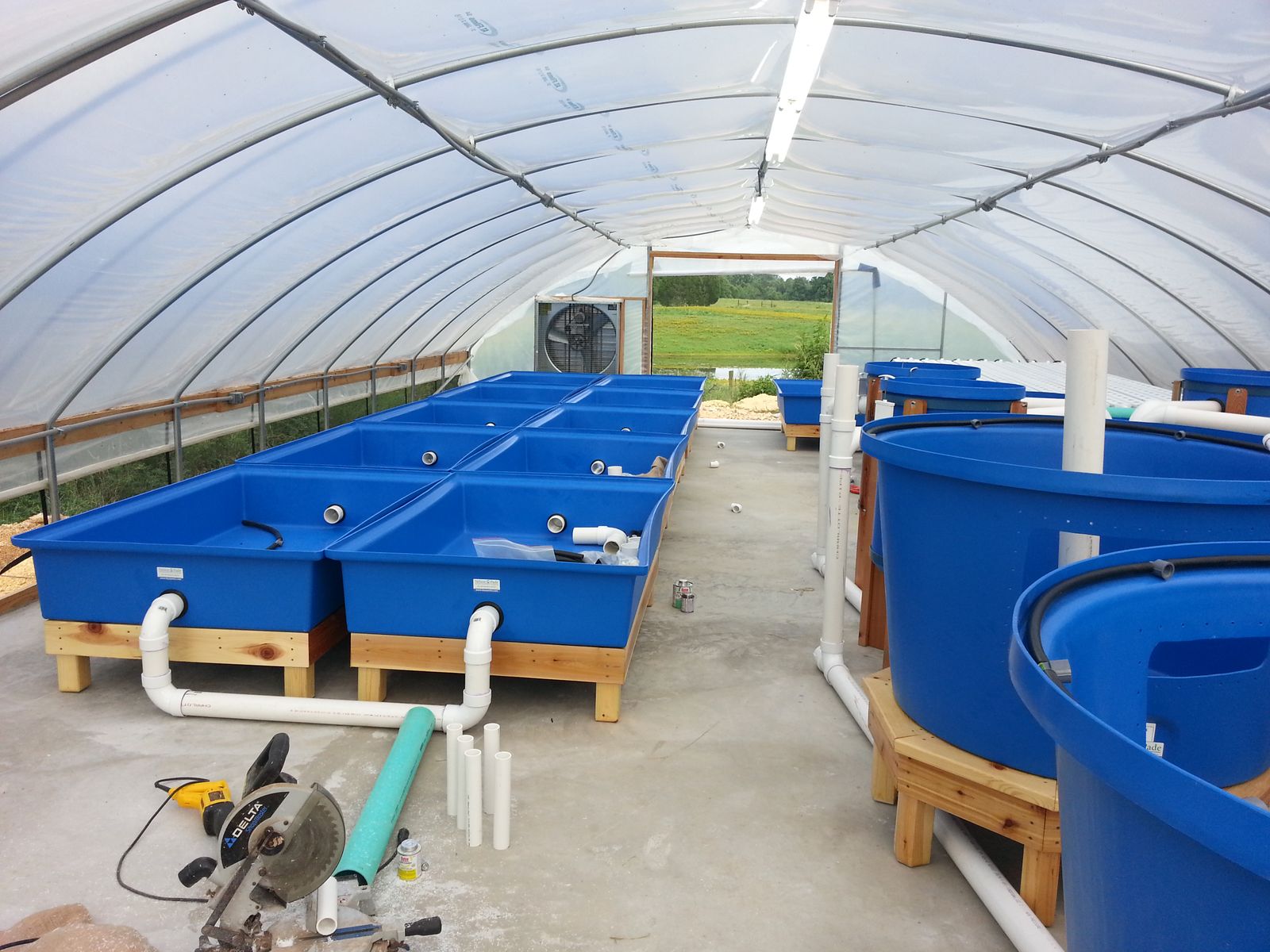
Controlled-environment structures are the buildings that let a grower take environmental dials away from nature. A high tunnel buys back a few weeks of season; a glasshouse adds heating, cooling, and supplemental light; a sealed indoor room hands you every dial and asks you to run them all. They are the physical means by which a grower moves up the spectrum of control, and the deep end of that spectrum is where controlled-environment agriculture lives as its own discipline.
Where it sits
Unlike the root-zone methods, CEA structures are about the aerial environment and the building that shapes it. Each step up takes more dials: a hoop house traps warmth and blocks wind; a vented greenhouse adds active cooling and humidity control; a sealed room removes the weather entirely and replaces the sun with light you specify. With each dial you gain capability and take on the responsibility to manage it well, because indoors, nothing operates alone and every mistake is yours.
A ladder of structures
- High tunnel / hoop house: an unheated or minimally heated shell that extends the season at the lowest cost. Nature still leads; you nudge.
- Greenhouse: glazing plus active heating, cooling, ventilation, and often supplemental light. You hold most of the aerial dials, with the sun as a partner.
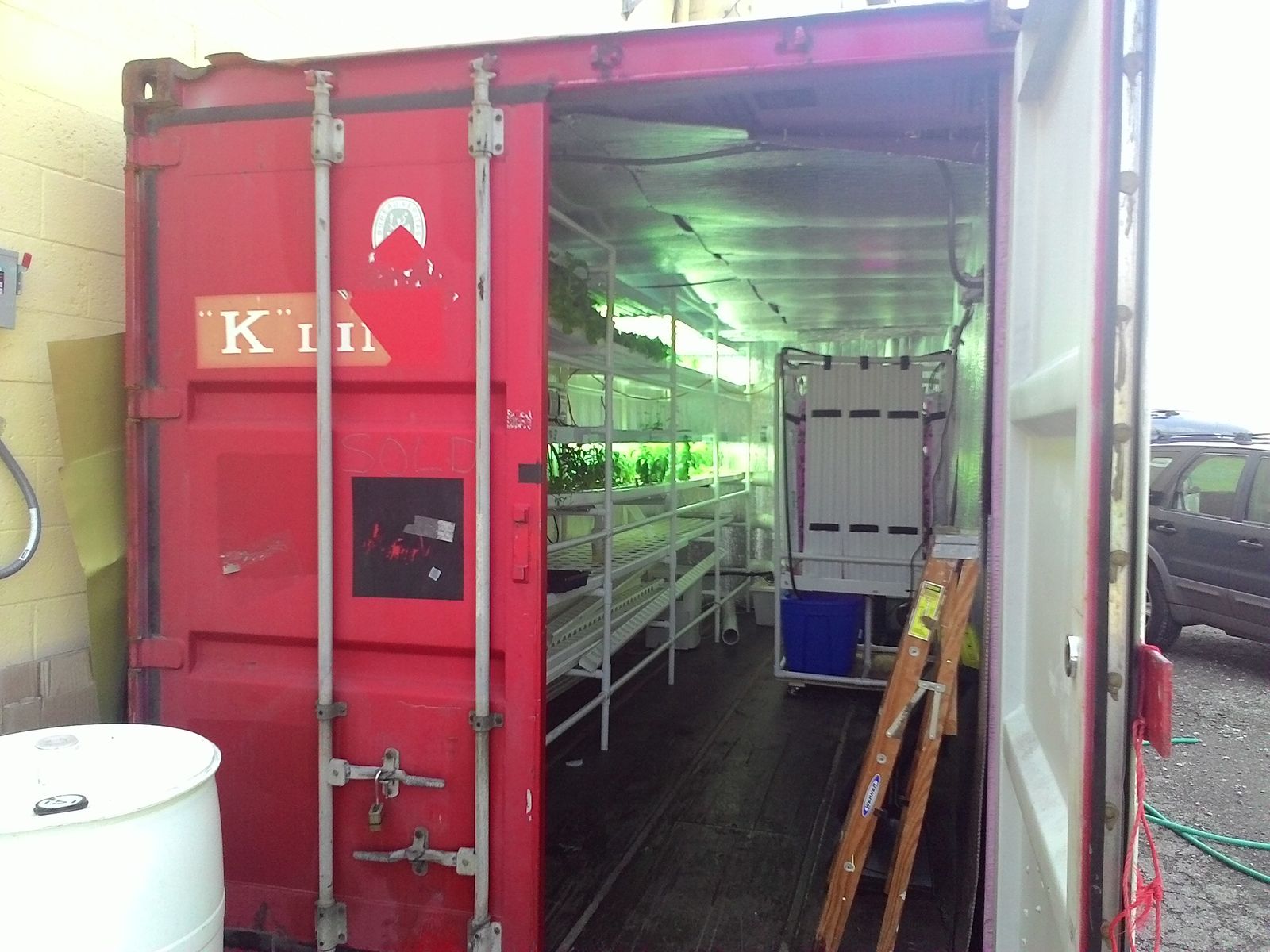
- Vertical & indoor: stacked growing under full artificial light, climate fully built. You hold every dial; the structure is now a precision instrument.
What you take on as you climb
Each structure traps energy and moisture, which is exactly why it works and exactly what you must manage. The warmer, wetter air inside drives temperature and VPD away from the outdoors, and without airflow the leaf lives in a different climate than your sensors report. The deeper the control, the more the coupling bites, which is why the controlled-environment and SCADA sections exist: the structure gives you the dials, and that material teaches you to turn them together.
Watching it
Every rung of the ladder hands you dials, and the watch should grow with the structure. For a high tunnel, the whole kit is a temperature sensor at plant height and a freeze alert on your phone: it replaces the 2 a.m. drive to check on the row cover, and the frost-cloth selector tells you which cover the night actually calls for.
A greenhouse earns a fuller instrument panel. Temperature and humidity together become VPD, the number the plant actually feels, and light through the glazing is a question worth answering with a meter: the light-transmission calculator shows how much growth old poly quietly steals. This is also where watching graduates into acting, vents and fans on rules (control), and, for whoever climbs to the sealed-room rung where you hold every dial, the full SCADA discipline is waiting. The structure ladder and the technology ladder are the same ladder, climbed one rung at a time, no higher than fits.
Tools for CEA structures
Frequently asked questions.
What is the difference between a high tunnel and a greenhouse?
A high tunnel (hoop house) is a passive shell that traps warmth and blocks wind to extend the season, usually unheated. A greenhouse adds active systems (heating, cooling, ventilation, often supplemental light), so you control much more of the aerial environment.
How much control do I get from an indoor room versus a greenhouse?
A sealed indoor room hands you every dial and replaces the sun with specified light, so you control the full environment. A greenhouse keeps the sun as a partner and gives you most of the aerial dials. More control means more capability and more to manage well.
What does it take to manage a fully controlled growing environment?
A sealed growing room removes the weather and hands the operator every environmental dial: heating, cooling, airflow, humidity, CO2, and light all come from equipment you run. Indoors, nothing operates alone; the systems couple, so a change to one dial moves the others. Managing it well means setting targets for each layer, instrumenting the space with sensors so you can see what the environment is actually doing, and coordinating the equipment so the dials are turned together rather than one at a time.