

Measuring tells you something is wrong. Control does something about it: a fan that kicks on when humidity climbs, a vent that opens before the afternoon heat, a pump that waters on schedule. It is powerful, and it earns a little caution: the moment a machine acts on your behalf, you have to ask what happens when the sensor lies or the switch sticks.
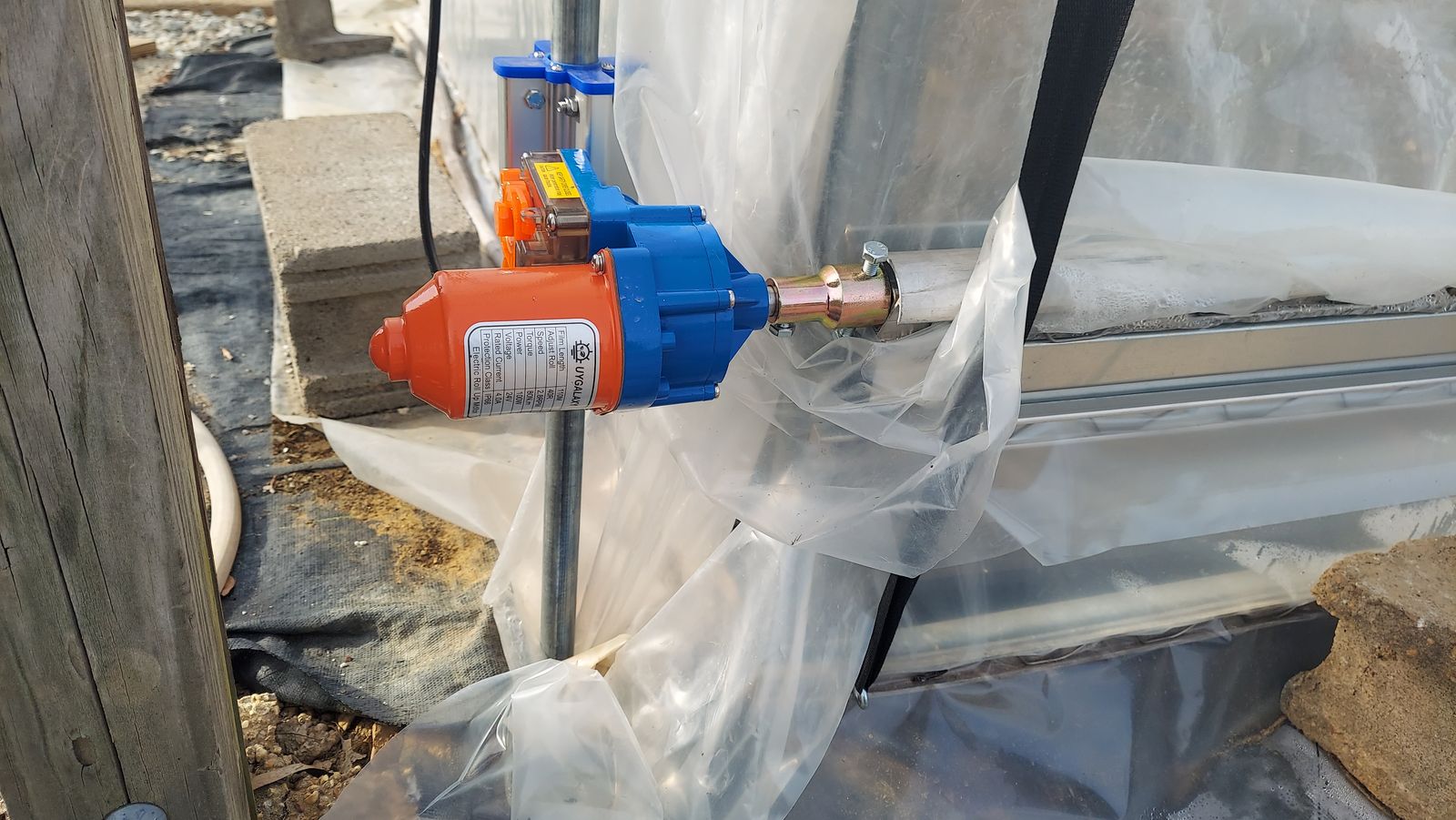
01The need.
An alert is only as good as your ability to answer it. If the heater quits while you are two hours away, knowing about it is small comfort. Control closes that gap: the system does not just tell you, it acts: turns on the backup, opens the vent, runs the pump. Done well, it is the difference between a warning and a save. Done carelessly, it is a new way to lose a crop, because now a machine can do the wrong thing automatically.
02The control ladder.
Control is a ladder, and most growers should climb it slowly:
- Alert and you act: the safest rung. The system tells you; a human decides. Start here for anything that matters.
- Simple automation: one number crosses a line, one switch flips. A smart plug that runs a fan when it gets too humid. Easy to understand, easy to trust.
- Coordinated control: several devices working to a recipe, so they do not fight each other (heating against cooling, humidifying against drying). Powerful, and the place to be most careful.
The appropriate rule: automate only what you would trust to fail. Watering on a timer is low-stakes; running a heater with no backup plan is not.
03How it works.
Control adds one step to Collect·Have·Use: collect a reading, decide with a rule, and act with a switch. The "decide" is usually simple (a threshold, a schedule, a small recipe) and simple is good here. A scheduled check that watches a number and flips a relay needs no AI and rarely surprises you, which is exactly what you want from something that can act on its own.
04Collect: wire it up.
| A smart plug + a rule | ~$15–40 | Plug in a fan or heater, set "on above 80°F." The cheapest, safest taste of automation. Hard to get badly wrong. |
|---|---|---|
| Relays + a controller | ~$40–200 | A small board switching relays for several devices, often through Home Assistant. More capable, still understandable. |
| Coordinated equipment | $$$ | Multiple devices driven to a recipe so they stop fighting each other: real capability, real caution. |
Go deeper
Understanding Controls (when to control and when not to) · Monitoring (the readings control acts on) · relay and switching sketches in the Build section.
05Design for failure.
This is the part most guides skip, so we lead with it. Every control system will eventually do something you did not intend: a sensor reads wrong, a relay sticks closed, the network drops, the power blinks. The question is not whether it fails but whether the crop survives the failure.
- Safe defaults: decide what each device does when the signal is lost. A vent that fails open in heat is safer than one that fails shut.
- Limits: cap how long or how far an action can go, so a stuck "on" cannot run all night.
- A human for the high-stakes: alert, do not automate, anything where a wrong action loses the crop, until you have earned trust at the low-stakes rungs.
None of this is meant to scare you off. It is what makes automation something you can actually rely on. You own the build and the outcome; design it so the failure is survivable.
06Just because we know how doesn't mean we should.
Everything above tells you how. Before you build any of it, sit with whether. Monitoring is forgiving: the worst a bad sensor can do is show you a wrong number. Control is not. The moment a machine can switch real equipment, it can do real damage: a valve that sticks open can flood a building; a heater that turns on and stays on can burn one down. The stakes change completely the moment electricity flows because software said so.
That changes what the hardware has to be. The low-cost commodity boards and bare relay modules we happily recommend for measuring have no business switching real loads: nothing about them was designed, tested, or certified to fail safely with a heater hanging off the other side. If a device heats, pumps, or moves, switch it with UL-listed equipment, a proper smart switch or plug built and certified to carry that load. And understand what the listing does and does not cover: it certifies the switch, not the chain of communications commanding it. Wi-Fi drops, hubs lock up, cloud services go down, and when that chain breaks after "on" and before "off," the off never arrives. Before you let anything turn on automatically, know exactly how it turns off when every link between you and it is dead.
Where we stand
This is the only page on this site about control, and that is deliberate. Our focus is monitoring: collecting data, keeping it, and understanding what it says. Measurement has never flooded a greenhouse. If you climb to control, climb slowly, buy listed equipment, and design for the failure before you enjoy the convenience.
07Use: let it act.
Once it is built to fail safely, control gives back the thing measuring could not: action while you are not there. The fan that runs before mold can start, the vent that opens before the heat spikes, the pump that waters on the plant's schedule. Start at the bottom of the ladder, earn trust, and climb only as far as you need.
The shortest version
Control acts on what you measure: a fan, a vent, a pump. Climb the ladder slowly: alert first, simple automation next, coordination last. Keep the rules simple, automate only what you would trust to fail, and design every device so a wrong signal leaves the crop alive.
Frequently asked questions.
How do I automate my greenhouse?
Start small and climb. The easiest entry is a smart plug with a rule, "run the fan when it gets above 80°F", which needs no wiring and is hard to get badly wrong. From there, a small controller switching relays (often through Home Assistant) can run several devices on simple rules or a recipe. Begin with the lowest-stakes jobs (circulation, supplemental lighting on a schedule), keep the rules simple, and only automate the high-stakes equipment once you trust the setup and have planned for it failing.
Can I turn on a fan with a temperature sensor?
Yes, this is the classic first automation. A smart plug or relay with a temperature rule will switch a fan on above a setpoint and off below it. The simplest versions are self-contained; more flexible ones run through a hub like Home Assistant so you can also log it and get alerts. Set a sensible gap between the on and off temperatures so the fan does not rapidly cycle, and decide what it should do if the sensor drops out.
Is it safe to automate greenhouse equipment?
It can be, if you design for failure. The risk is that a sensor reads wrong, a relay sticks, or the network drops and a device does the wrong thing automatically. Manage it with safe defaults (decide what each device does when the signal is lost: a vent failing open in heat is safer than failing shut), limits on how long an action can run, and keeping a human in the loop for anything where a wrong move loses the crop. Automate the low-stakes jobs first and climb only as you earn trust.
How do I automatically water plants?
Two common ways. The simple one is a timer or smart valve that waters on a schedule, reliable and cheap, but it does not know if the soil is already wet. The better one waters based on actual soil moisture: a moisture sensor triggers a pump or valve only when the medium has dried to a set point, so the plant gets a proper wet-then-dry cycle. Either way, add a limit on run time so a stuck valve cannot flood, and check it regularly.
What is a relay or smart plug in automation?
Both are switches a computer can control. A smart plug sits between the wall outlet and a device (a fan, a light, a heater) and turns it on or off on command or on a rule, no wiring needed. A relay is a switch on a circuit board that a small controller flips, used to switch equipment in a more built-in setup. They are how a sensor reading becomes a physical action: the rule says "too humid," and the relay or plug turns on the fan.
What happens if my automation's sensor fails?
That is the question to answer before you automate, not after. If you do nothing, a failed or wrong sensor can make a device act incorrectly: a heater that never shuts off, a vent that never opens. The fix is to design the failure: set a safe default for when the signal is lost, cap how long any action can run, and add a separate high/low alarm so you are told when readings go missing or absurd. For anything that can lose the crop, alert a human rather than automating it outright.