

A weather station measures what the sky is doing: rain, wind, temperature, humidity, pressure, and sometimes sunlight. For a grower that is not idle curiosity, it is decision data. How much rain fell tells you whether to irrigate; how hard the wind blows tells you whether to spray; the trend in temperature and humidity feeds frost warnings and disease risk. You can buy a finished station or build one from a few parts, and the right answer depends on how much you want to own.
Why the weather matters.
Each reading earns its keep. Rain totals tell you not to irrigate after a storm, the simplest water saving there is, and feed an evapotranspiration estimate of how much the crop actually needs. Wind decides whether a spray will drift, warns of damage to tunnels and covers, and on a still frosty night signals high frost risk. Temperature and humidity drive frost alerts and disease models, and pressure hints at the weather coming. Together they turn “it looks like rain” into numbers you can act and automate on.
What a station measures.
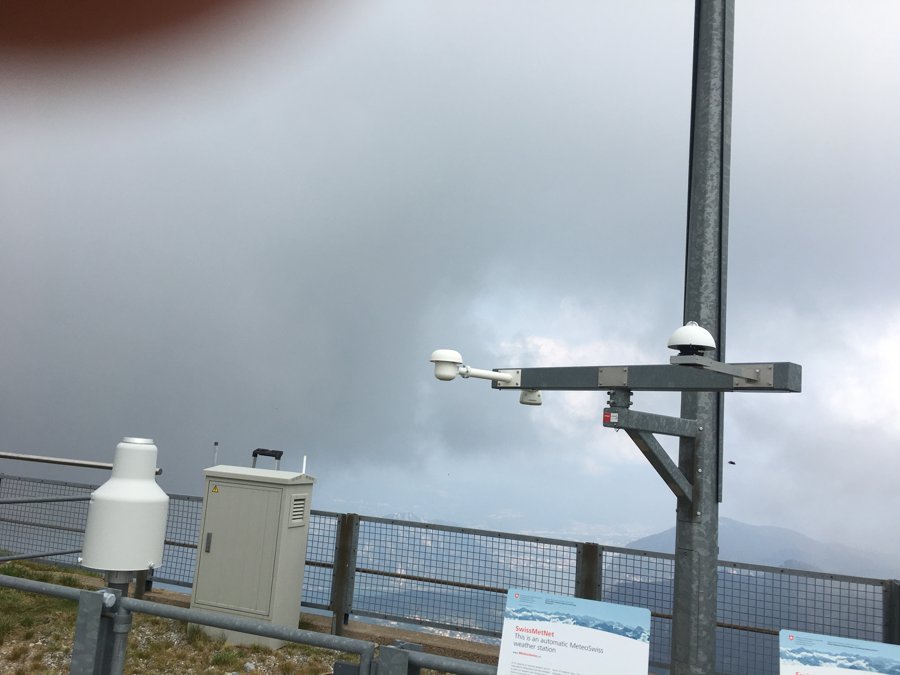
A few instruments cover most of it. A rain gauge, usually a tipping bucket, counts rainfall. An anemometer reads wind speed, and a wind vane reads direction; the two often come together. Temperature, humidity, and pressure come from a small chip like the BME280, in a vented radiation shield so the sun does not cook the reading. Add a light or solar sensor and you have covered what most growers need.
Buy whole, or build it.
Three routes, side by side. The tinted column is the own-your-data sweet spot: proven rain and wind sensors you wire to your own hub.
| Spec | All-in-one station | Weather-meter kitOur pick | DIY from parts |
|---|---|---|---|
| Measures | Everything, in one unit | Rain, wind speed and direction | Whatever you wire up |
| Effort | Plug and play | Wire to your microcontroller | Most; a full build |
| Your data | Often a vendor app or cloud | Yours, local | Yours, local |
| Cost | Moderate to high | Moderate | Low to moderate |
| Best for | Quick, complete, hands-off | Own-your-data with proven sensors | Full control and integration |
An all-in-one station (the Ecowitt, Davis, and Ambient sort) is the fast, complete path, though many lean on a vendor app or cloud. A weather-meter kit, the classic rain gauge plus anemometer and vane, wires to your own microcontroller so the data stays yours. The deep dives are the rain gauge and the anemometer; pair them with a BME280 for the rest.
Siting it right.
Where you put it decides whether the numbers mean anything. The rain gauge wants to be level and clear of any overhang that would block or funnel rain. The anemometer wants to be high and unobstructed, because buildings, trees, and the canopy disturb the wind; the textbook height is ten metres, and in practice you mount it as high and clear as you reasonably can. The temperature sensor belongs in a vented shield, out of direct sun and off hot surfaces. A station crammed against a wall or under a tree reports the wall and the tree, not the weather.
Where it fits, and where it doesn’t.
Where it fits
- Rain totals for irrigation scheduling and water budgeting.
- Wind for spray timing, frost risk, and storm warnings.
- Feeding evapotranspiration, frost, and disease models.
- Logging local conditions the nearest forecast misses.
Where it doesn’t
- Indoor or greenhouse climate; use climate sensors directly.
- A station sited against a wall or under a tree.
- Snowfall, without a heated gauge.
- Replacing soil sensing; weather is above ground.
Resources.
The deep dives and the chip that fills in the rest:
Rain gauge Anemometer & vane BME280 (temp, humidity, pressure) All sensors
Frequently asked questions.
What does a farm weather station measure?
Rainfall, wind speed and direction, temperature, humidity, and pressure, and sometimes sunlight. A rain gauge counts rain, an anemometer and vane read wind, and a chip like the BME280 covers temperature, humidity, and pressure. Together they give the outdoor decision data behind irrigation scheduling, spray timing, and frost and disease warnings.
Should I buy an all-in-one station or build one?
An all-in-one station is the quick, complete path, but many rely on a vendor app or cloud. A weather-meter kit, a rain gauge plus anemometer and vane, wires to your own microcontroller so the data stays local and yours, which fits the own-your-data approach. Building fully from parts gives the most control. For most growers who want to own their data, the weather-meter kit on a hub is the sweet spot.
How does a weather station help with irrigation?
Two ways. Rain totals tell you how much water already fell, so you can skip or shrink the next irrigation instead of watering on a timer regardless. And combined with temperature, humidity, wind, and sun, the station feeds an evapotranspiration estimate of how much water the crop actually used, so you replace what was lost rather than guessing. Both save water and stress.
Where should I put a weather station?
Out in the open, away from buildings and trees. The rain gauge should be level and clear of overhang, the anemometer as high and unobstructed as you can manage (the standard is 33 feet, or 10 meters), and the temperature sensor in a vented radiation shield out of direct sun. A station against a wall or under a canopy measures the wall and the canopy, not the weather, so siting matters as much as the sensors.