

Sensors measure and microcontrollers decide, but something has to act. These are the parts that turn a decision into action: the driver boards that let a small controller run a motor, the stepper drivers that move a shaft a precise amount, the servo control that aims and positions, and the relays that switch a heavy load on and off. A grower reaches for them to open a vent, run a dosing pump, turn a valve, or switch a heater or a grow light.
What’s here. 12
- Motor drivers (H-bridges): Run a DC motor, pump, or fan from a microcontroller, in either direction.
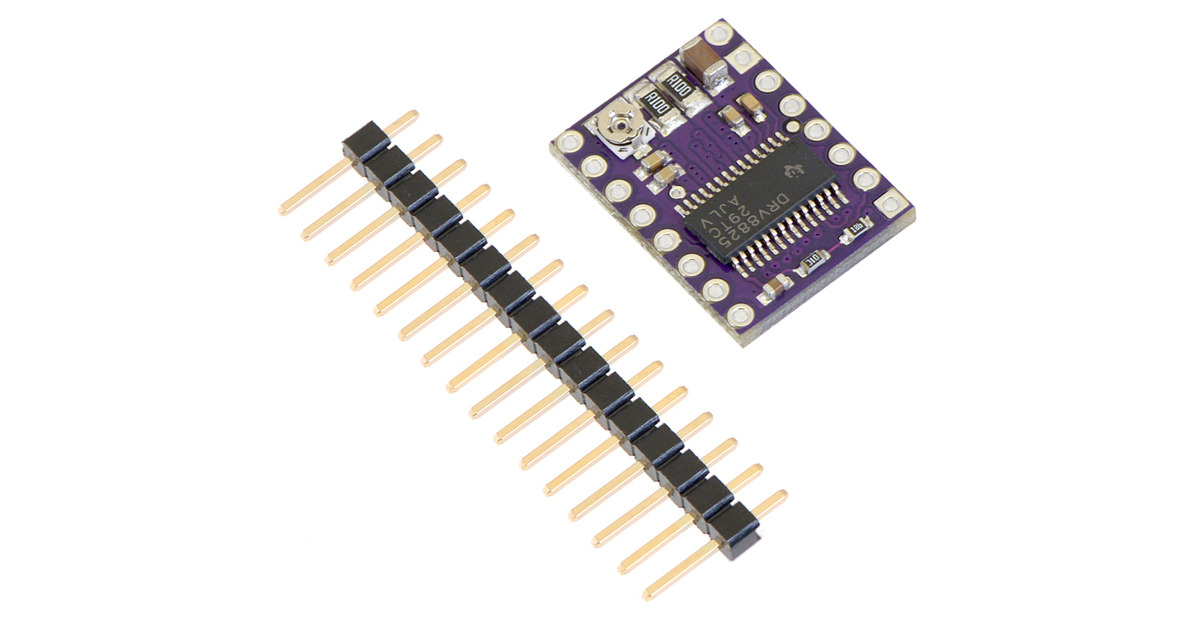
- Stepper drivers: Move a shaft a precise amount: A4988, DRV8825, TMC2209.
- Servos and PWM control: Aim and position with hobby servos, plus PWM drivers for many at once.
- Relays and contactors: Switch a load on or off: mechanical relays, solid-state relays, and contactors.
- Dosing and fertigation: Meter nutrient and pH liquids: peristaltic pumps and pH/EC controllers.
- CO₂ control: Hold a target CO₂ level by enriching or ventilating a grow space.
- Thermostat and temperature: Hold a temperature with a heater or cooler: hysteresis, on/off vs PID.
- Humidistat and humidity: Hold relative humidity with a humidifier or dehumidifier, and why VPD is the real target.
- VPD control: The conductor: read temperature and humidity, compute VPD, and coordinate all four climate levers.
- Lighting and photoperiod: Run the light schedule and intensity: photoperiod, dimming, DLI, and sunrise ramps.
- Irrigation and fertigation: Schedule the watering: zones, valves, cycle-and-soak, and injecting feed into the flow.
- Master grow-room controller: One brain for the whole room: coordinate climate, light, CO₂, and irrigation by stage.
This section is filling in with the collective, one page at a time. The links above go live as each one is written and verified. To scan the whole catalog at once, browse every hardware page on one list.