

A microcontroller decides; a motor does the work. The trouble is that the two cannot be wired together directly. A controller pin puts out a few milliamps at logic voltage, while a motor wants amps, often at a higher voltage, and throws back voltage spikes when it starts, stops, or reverses. A motor driver sits between them: it takes the small control signal and switches the big current safely. For a grower, it is the part that opens a vent, runs a dosing pump, or drives a linear actuator.
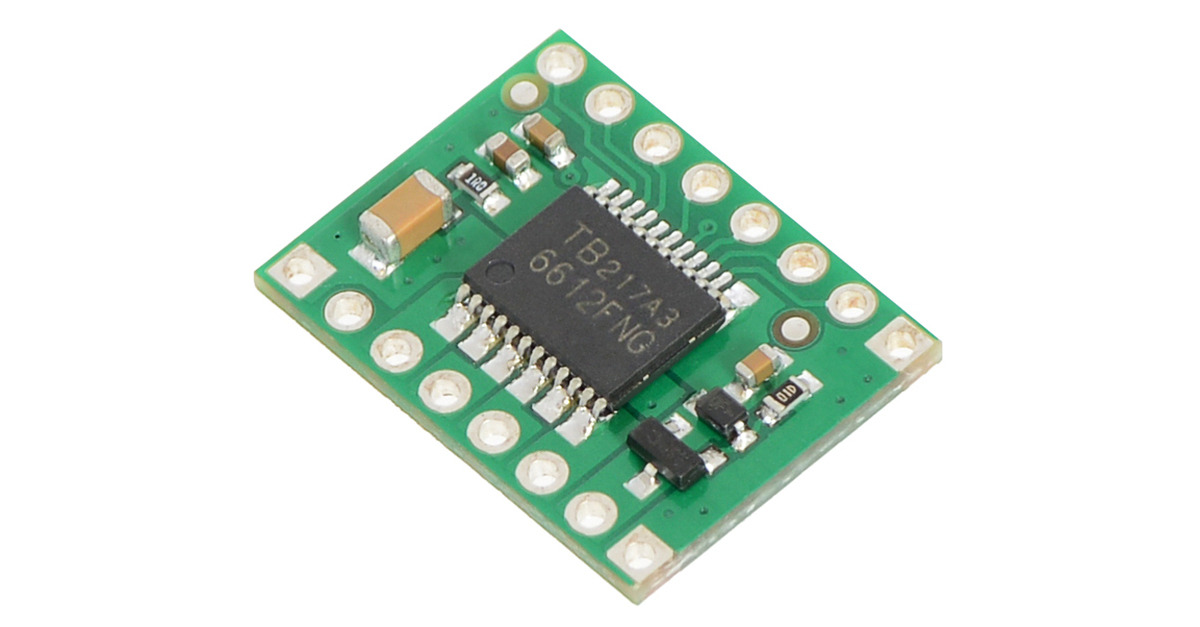
Why you need one.
Wire a motor straight to a microcontroller pin and you will destroy the pin, the board, or both. Three reasons. A logic pin can source only a few milliamps, while even a small motor pulls hundreds of milliamps to several amps. A motor often runs on a higher voltage than the controller’s logic. And a spinning motor is also a generator: when it stops or changes direction it kicks back a voltage spike that wrecks unprotected electronics. A driver board handles all three. It carries the current, bridges the voltage gap, and clamps the spikes, so the controller only ever sends a small, safe signal.
What an H-bridge does.
Most DC motor drivers are built around an H-bridge, a set of four switches arranged in the shape of an H with the motor across the middle. Close one diagonal pair and current runs through the motor one way; close the other pair and it runs the other way. That is what lets you reverse a motor: open a vent and close it, run a peristaltic pump forward to dose and backward to clear, push a linear actuator out and pull it back. Feed the driver’s enable pin a PWM signal and you also control speed, by switching the power on and off thousands of times a second. If a load only ever runs one direction, like a single exhaust fan, you do not need an H-bridge at all; one logic-level MOSFET switched by the controller is simpler and cheaper.
Compare the drivers.
The boards a grower actually meets, side by side. The tinted column is the sensible default for the small DC motors and pumps most setups use. Note the efficiency gap: the old L298N wastes a lot as heat, while the modern MOSFET drivers stay cool.
| Spec | L298N | TB6612FNGOpen Agriculture Technology pick | DRV8833 | BTS7960 | MOSFET + MCU |
|---|---|---|---|---|---|
| Type | Bipolar H-bridge | MOSFET H-bridge | MOSFET H-bridge | High-current half-bridge | Single switch |
| Channels | 2 | 2 | 2 | 1 (pair for 1 motor) | 1 |
| Motor voltage | 5 to 35 V | 2.5 to 13.5 V | 2.7 to 10.8 V | 6 to 27 V | Your supply |
| Current/ch | ~2 A | ~1.2 A (3.2 A peak) | ~1.2 A (2 A peak) | ~43 A peak | MOSFET-rated |
| Efficiency | Low (drops ~2 V, runs hot) | High | High | High | High |
| Reverses? | Yes | Yes | Yes | Yes | No (one way) |
| Best for | Learning, legacy builds | Small DC motors and pumps | Tiny low-voltage motors | Big motors and actuators | One-way fan or pump |
The L298N is everywhere and cheap, which is why so many starter kits include it, but its old bipolar design drops around two volts and needs a heatsink. For anything you run for real, the TB6612FNG is the better board: same dual-channel job, far less waste. Steppers are a different animal with their own boards; see the stepper drivers page.
Where they fit, and where they don’t.
Where they fit
- DC vent and louver motors that open and close.
- Peristaltic dosing pumps that run both ways.
- Small fans and circulation pumps with speed control.
- Linear actuators for windows, hatches, and valves.
Where they don’t
Which to buy.
Match the driver to the motor, not the other way around. Find the motor’s voltage and its stall current (the most it draws, at startup or when jammed), then pick a driver rated comfortably above both. A driver sized to the running current alone will fail the first time the motor stalls.
Datasheets and carriers.
Straight from the makers; these open in a new tab:
Pololu TB6612FNG Pololu motor drivers TI DRV8833 Stepper drivers
Frequently asked questions.
Why can’t I just connect a motor to a microcontroller pin?
A logic pin supplies only a few milliamps at logic voltage, while a motor needs hundreds of milliamps to several amps, often at a higher voltage, and it kicks back voltage spikes when it stops or reverses. Wired directly, it destroys the pin or the board. A motor driver carries the current, bridges the voltage, and clamps the spikes so the controller only sends a small signal.
What is an H-bridge?
An H-bridge is a set of four switches arranged so that current can run through a motor in either direction. That is what lets a driver reverse a motor: open and close a vent, or run a dosing pump forward and back. Most DC motor drivers are built around one.
Which motor driver should I use for a small pump or vent?
The TB6612FNG is the sensible default: a dual-channel MOSFET driver that is small, efficient, and handles the small DC motors and pumps a grower runs. The old L298N works but wastes power as heat. For a big actuator pulling many amps, step up to a high-current driver like the BTS7960.
How do I size a motor driver?
Match it to the motor. Find the motor’s voltage and its stall current, the most it draws at startup or when jammed, then choose a driver rated comfortably above both. Sizing to the running current alone leaves no margin, and the driver fails the first time the motor stalls.
Do I need a driver for a fan that only runs one way?
No H-bridge is needed for a one-direction load. A single logic-level MOSFET switched by the controller turns it on and off, and a PWM signal controls its speed. The H-bridge only earns its place when you need to reverse the load.