
Long-Range & Remote Monitoring
Solutions for the ground your network cannot reach: no Wi-Fi, no power run, and batteries measured in seasons. One radio technology carries this whole aisle — distances in miles, payloads in postcards.
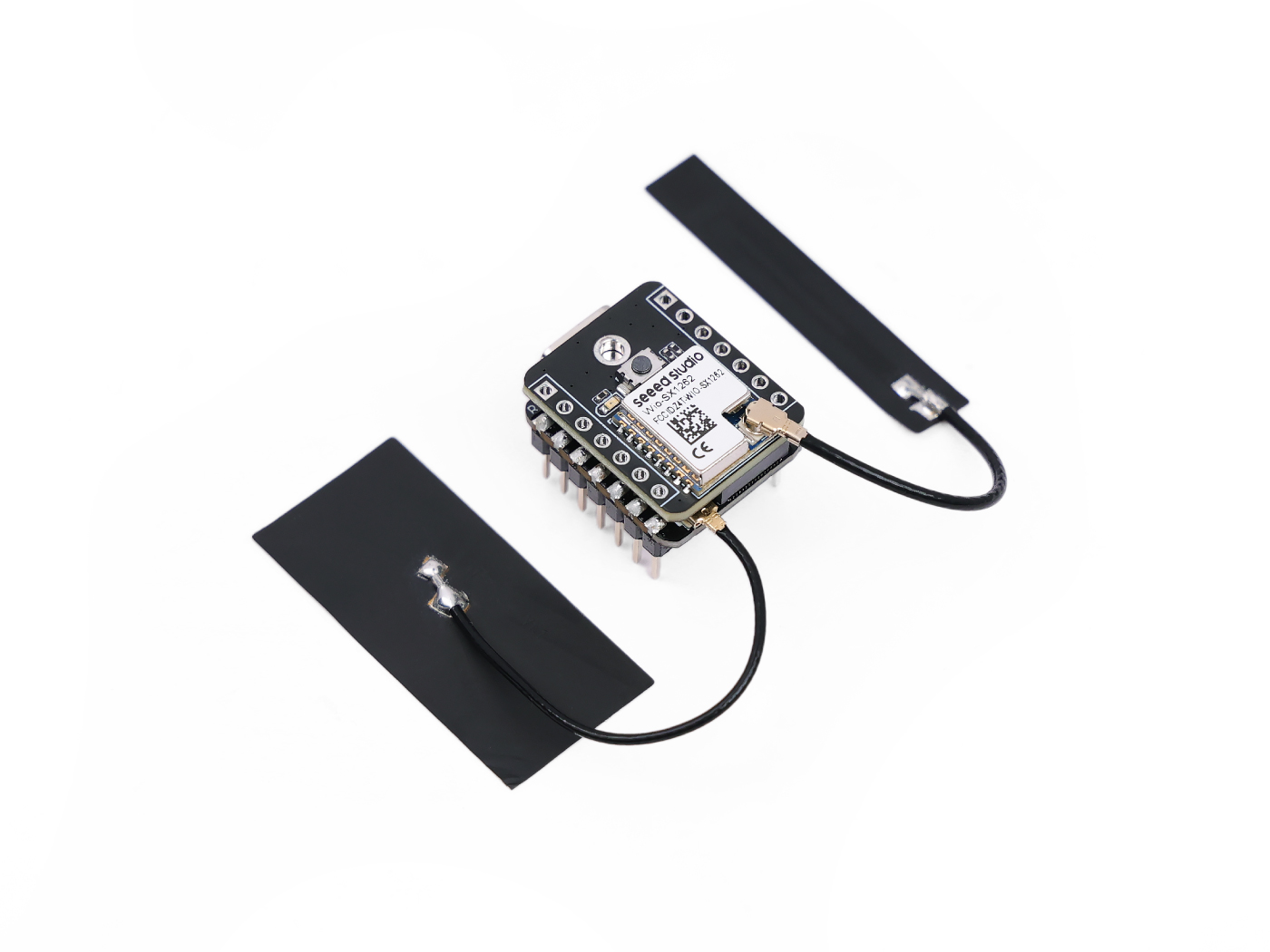
LoRa: the Long-Range Radio (915 MHz)
The radio this whole aisle rides on: LoRa trades speed for distance, carrying tiny messages for miles on the license-free 915 MHz band while the transmitter sleeps between words — which is how a field sensor runs a season or more on batteries. It is not a network and it will never carry a camera; it is the postcard radio, and for a reading from the back forty it has no equal.
When the far field earns a radio
This aisle is not the first answer; it is the answer for ground the cheaper paths cannot touch. Check the situation against the honest pick:
| The situation | The honest pick |
|---|---|
| A far building with line of sight and mains power | Not this aisle: a point-to-point Wi-Fi bridge carries your whole network there |
| A reading from a field, tank, or bin — miles out, no power | This aisle’s namesake: a LoRa field node and a bridge at the house Coming |
| Many sensors across big acreage, working out of the box | The turnkey LoRaWAN shelf below: factory-sealed nodes, a gateway, multi-year batteries |
| The crew texting across the property | The LoRa mesh messenger, back in the Comms aisle |
| A far site that needs the internet itself | An internet link at that site: satellite or cellular |
How LoRa gets its miles
Every radio trades among speed, distance, and power. Wi-Fi spends everything on speed and pays in reach; LoRa makes the opposite bet — tiny messages, sent slowly, on the license-free 915 MHz band — and buys miles with it. And because a reading takes only a fraction of a second to say, the transmitter sleeps almost its whole life: that is where the battery-years come from, and why terrain and treelines that stop Wi-Fi cold only dent it.
The same bet sets the limits, and this shelf states them plainly: no video, no cameras, no carrying a network to the far building. Postcards only — a reading, a level, a gate-opened-at-3 a.m. The far half of a farm speaks entirely in postcards.
Point-to-point, or LoRaWAN?
The same radio comes in two arrangements, and the choice is the whole architecture of your far field. Point-to-point is the simple shape: one field node reads a wired sensor and speaks straight to one bridge at the house — no gateway product, no network server, no account, one address. It is the shape OAT’s own build pair uses, it is the cheapest possible far-field architecture, and the pair is the biggest code lift in this book — on our bench now, honestly badged below.
LoRaWAN arranges the identical radio for fleets: sealed factory nodes, a gateway, and a network server managing keys, channels, and dozens of devices. That machinery is why the turnkey shelf works out of the box with multi-year factory batteries — and why it is the honest today-path while our pair is still on the bench. (Community LoRaWAN networks exist too — The Things Network is the well-known one — where coverage is shared the way the mesh messenger shares reach.)
The endpoint never has to care which you chose: either way, the readings land as the same clean records at the address you own. Pick point-to-point for a few points you build; pick LoRaWAN for many points you buy.
On the bench
ESP32 + SX1262 LoRa Field Node Coming
An ESP32 with a LoRa radio: it reads a wired sensor and sends the reading miles over open country on batteries measured in months, no Wi-Fi anywhere. Point-to-point to its bridge twin at the house, no network server, no gateway subscription.
ESP32 + SX1262 LoRa Bridge
The far-field twin of the BLE Sensor Listener: it hears every frame the field nodes send and expands each one into the same clean record every OAT build produces, at the same endpoint you already own. One bridge carries every node in radio range.
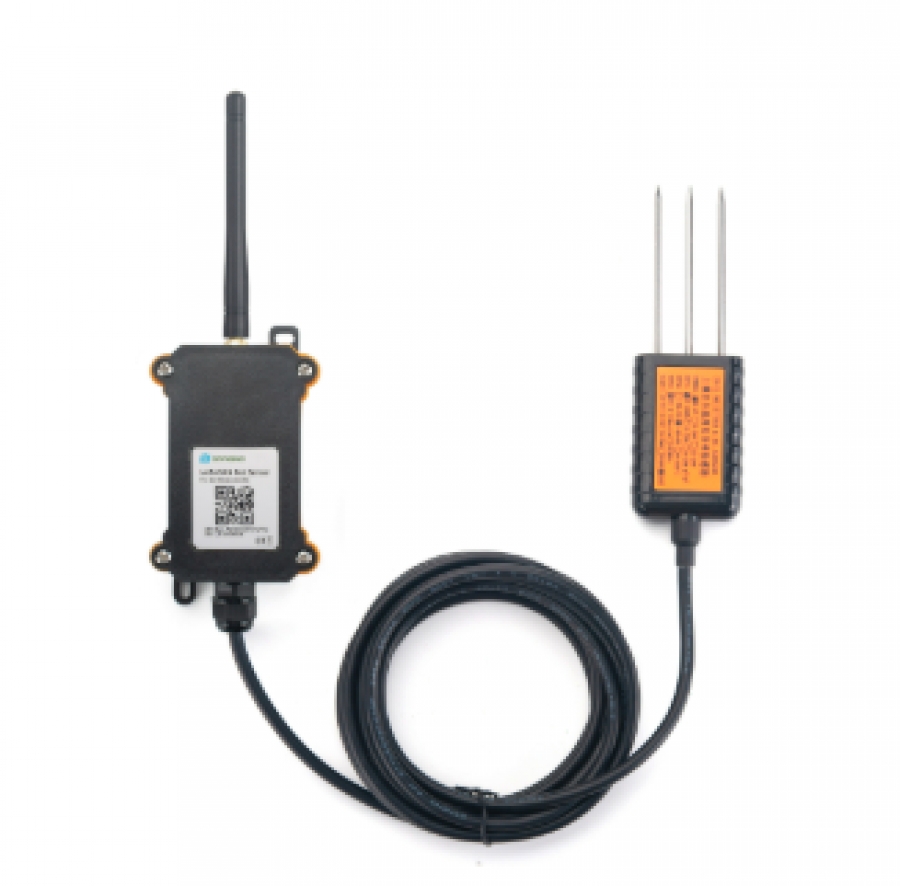
Dragino LoRaWAN Field Sensors Coming
The buy-the-node path: sealed LoRaWAN sensors built for fields — soil moisture and EC (LSE01), temperature and humidity (LHT65), tank and bin level (LDDS75) — with factory batteries that run for years. For when you want the far field on the record without building the node yourself.