

A gateway is a translator between networks. The radios a grower uses speak different languages, LoRa out in the field, Zigbee around the building, Bluetooth on the cheap sensors, and none of them speaks directly to your hub or the internet. A gateway (or coordinator, or bridge) sits at the junction and passes messages from one network onto another, so every reading ends up in one place. It is the part that turns a scatter of separate radios into a single system.
What a gateway does.
A gateway listens on one network and re-sends what it hears onto another. A LoRaWAN gateway hears the faint packets from LoRa sensors kilometers away and forwards them to your hub as ordinary network data. A Zigbee coordinator runs a mesh of devices and hands their readings to the computer it is plugged into. Without that bridge, a LoRa sensor and a Zigbee sensor cannot reach the same place, because they do not share a language. The gateway is the shared language.
Gateway, coordinator, bridge.
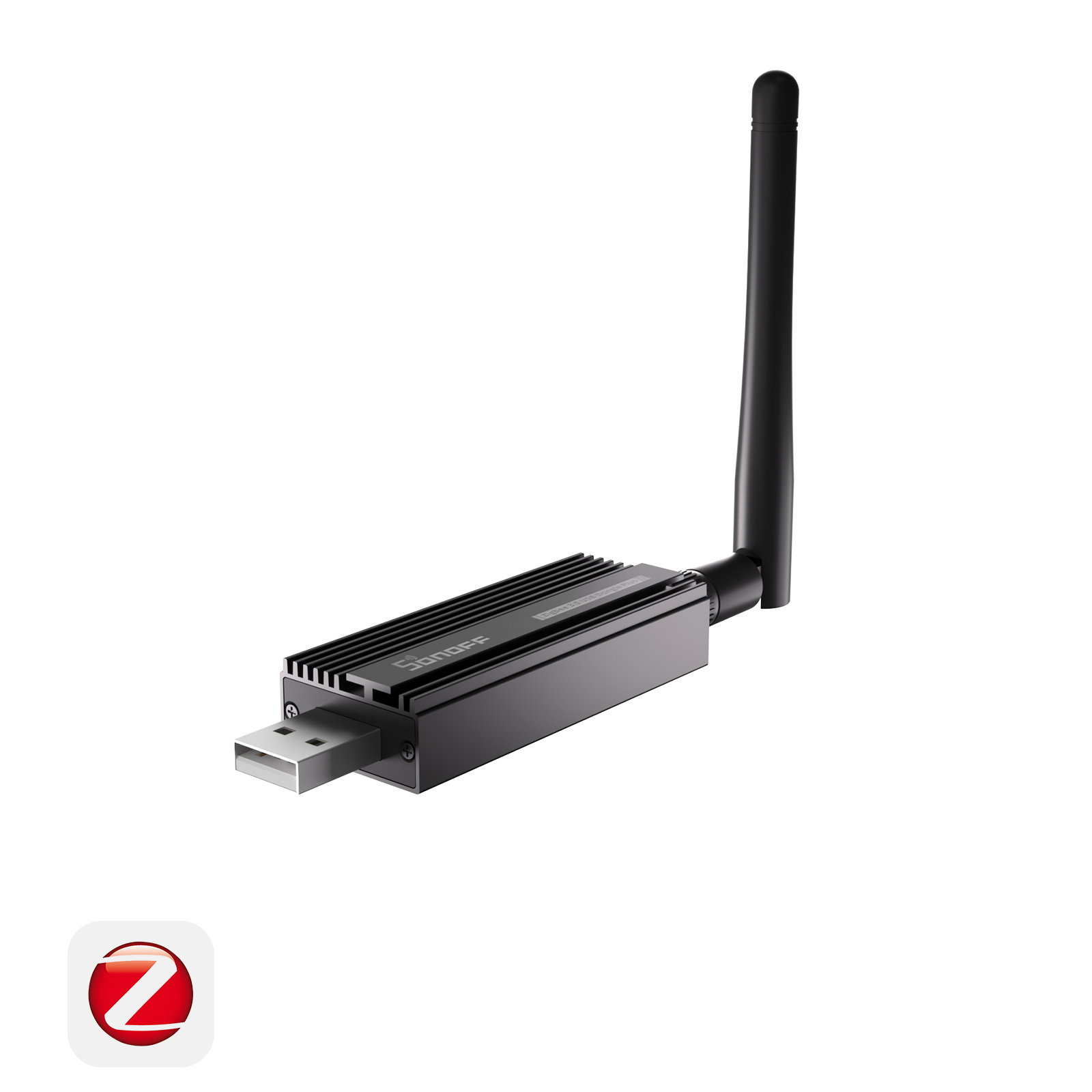
The same job goes by different names depending on the network, which trips people up. A gateway usually means a LoRaWAN gateway, the box that joins a LoRa field network to the internet or your hub. A coordinator is the Zigbee or Thread term: the radio that forms the mesh and links it to your hub, usually a small USB dongle. A bridge tends to mean a small device that hears Bluetooth sensors and republishes their readings in a form the hub understands. Different words, one idea: take messages off one network, put them onto another.
Compare the kinds.
The bridges a grower meets, side by side. The tinted column is the simplest way in: one hub with a dongle or two does the bridging for most setups, and a LoRa gateway feeds into it when the field is involved.
| Spec | LoRaWAN gateway | Zigbee / Thread coordinator | BLE bridge | Hub + donglesOpen Agriculture Technology pick |
|---|---|---|---|---|
| Bridges | LoRa field sensors to your network | A Zigbee or Thread mesh to your hub | BLE broadcasts to MQTT | All of these, in one box |
| Typical form | A boxed unit with an antenna | A USB dongle | A small board or ESP32 | A Raspberry Pi plus dongles |
| Lives | High up, outdoors or a window | Plugged into the hub | Near the sensors | One central spot |
| Reach for it when | You have field sensors on LoRa | You run Zigbee or Thread devices | You use cheap BLE sensors | You want one box for all of it |
| Example | Indoor or outdoor LoRaWAN gateway | Sonoff Zigbee dongle | An ESP32 BLE listener | A Pi running Home Assistant |
For the deep dives, the LoRa and LoRaWAN page covers gateways for the field, and the Sonoff Zigbee dongle is the coordinator most people start with. A LoRaWAN gateway can be a cheap indoor unit for a small property or a weatherproof outdoor one with a high antenna for real range, and public networks like The Things Network sometimes mean you need no gateway of your own at all.
The hub-as-gateway pattern.
Here is the pattern most small operations land on, and why it is the pick. A single Raspberry Pi running Home Assistant becomes the bridge for everything: plug a Zigbee dongle into it and it coordinates the Zigbee mesh; point a LoRa gateway at it and the field sensors flow in; run a small BLE listener and the Bluetooth sensors join too. One box, one dashboard, one place that holds the data, bridging three or four radios at once. It is cheaper than separate appliance gateways, it keeps everything local, and it is the same hub the rest of this site keeps pointing back to.
Where they fit, and where they don’t.
Where they fit
- Pulling LoRa, Zigbee, and BLE into one place.
- A LoRaWAN gateway for sensors out in the field.
- A coordinator dongle for an indoor mesh.
- One Raspberry Pi bridging several radios at once.
Where they don’t
- A single Wi-Fi or cellular device that needs no bridge.
- One BLE sensor a phone already reads.
- Replacing the radio itself; a gateway only relays.
- Extending range on its own; place it well or add one.
Guides and parts.
Straight from the makers and the deeper pages here; external links open in a new tab:
LoRa & LoRaWAN Sonoff Zigbee dongle The Things Network Zigbee2MQTT
Frequently asked questions.
What is a gateway in an IoT system?
A gateway is a device that bridges one network to another. It listens for messages on one radio (LoRa, for example) and re-sends them onto another network your hub understands. It is what lets sensors that speak different radio languages all end up in one place, since they cannot reach the same hub directly without it.
What is the difference between a gateway and a coordinator?
They do the same job under different names. Gateway usually means a LoRaWAN gateway, the box that joins a LoRa field network to your hub or the internet. Coordinator is the Zigbee and Thread term for the radio, often a USB dongle, that forms the mesh and links it to your hub. A BLE bridge is the same idea for Bluetooth. All take messages off one network and put them onto another.
Do I need a separate gateway for every radio?
Usually not. A single Raspberry Pi running Home Assistant can bridge several radios at once: a Zigbee dongle for the mesh, a LoRaWAN gateway feeding it from the field, and a small Bluetooth listener for BLE sensors. Everything lands on one hub and one dashboard. That hub-as-gateway pattern is cheaper and simpler than buying a separate appliance for each network.
Do I need my own LoRaWAN gateway?
Not always. A LoRaWAN gateway is the box that receives your LoRa field sensors and forwards their readings, and a small indoor unit covers a modest property while a weatherproof outdoor one with a high antenna reaches much farther. But public networks like The Things Network have gateways in some areas you can use for free, so where coverage already exists you may not need to install your own.
Does a gateway extend the range of my sensors?
Only by being well placed. A gateway relays messages; it does not boost a sensor’s transmitter. Putting the gateway high and in the open lets it hear sensors farther away, and adding a second gateway covers a gap. But the gateway itself does not make a distant sensor transmit harder, so plan its placement, or add another, rather than expecting one to reach everywhere.