
Building a Brooder Monitor with the Govee H5075
The Govee H5075 is a BLE (Bluetooth Low Energy) puck that measures temperature and humidity where it hangs. It uses the ESP32 as a gateway to send measurements to an endpoint for use.
1 · The parts
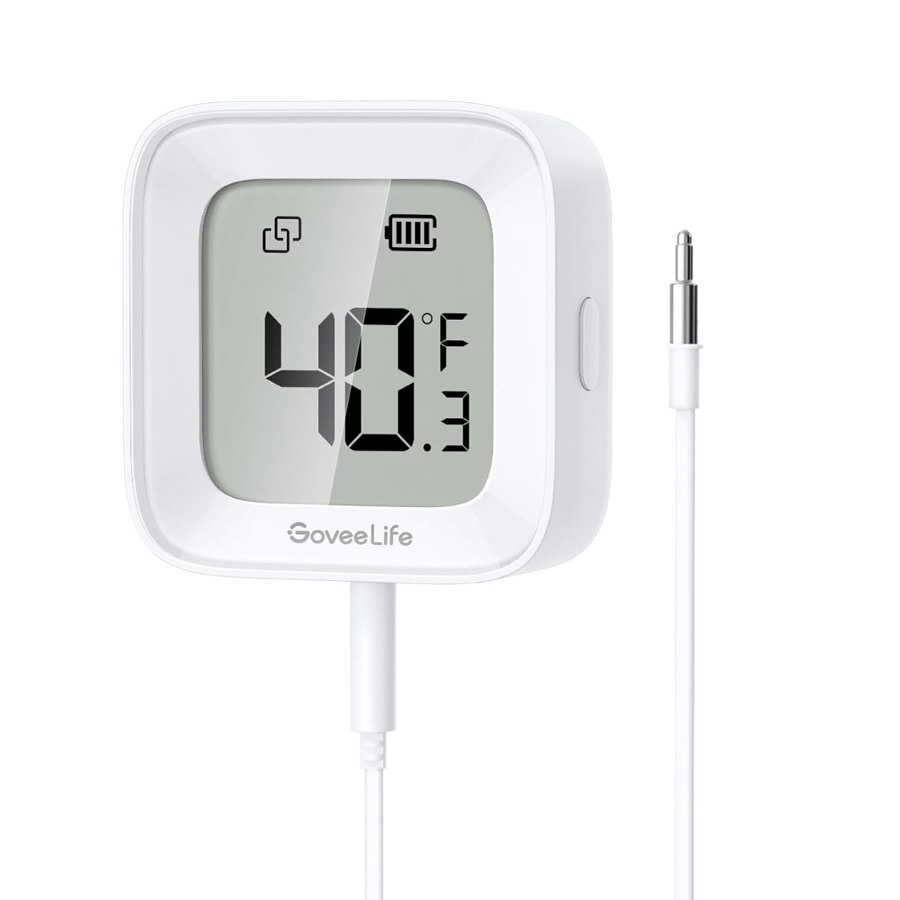
1 × Govee Bluetooth thermometer
Mounts at chick height inside the brooder ring, out of pecking reach and out of the lamp's direct beam. Broadcasts temperature and humidity every few seconds.
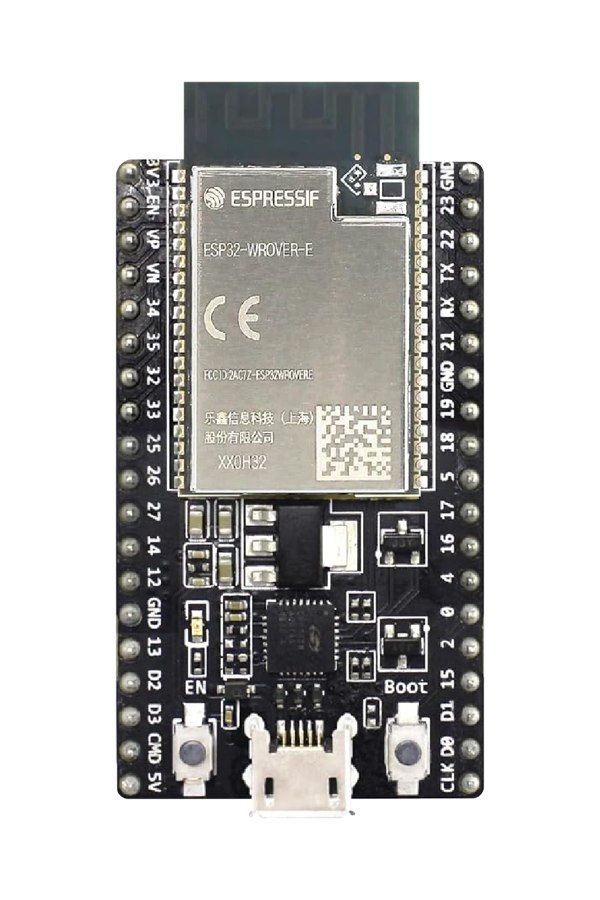
1 × An ESP32 board
Runs the BLE Sensor Listener. Hears the puck (and any others in range) and pushes each reading to the endpoint you own.
2 · Load the program
“Flashing” means loading the program onto the board, the way you would install an app on a phone. Do it first, at the bench: plug the board in over USB and press the install button for your board on the program’s own page. The board does not need its sensor connected to take the program; the program waits.
3 · Wire and place it
Mount the puck at chick height inside the brooder ring: on the ring wall a few inches above the bedding, out of the heat lamp’s direct beam (a sensor in the beam reads the lamp, not the air), out of pecking reach, and clear of the waterer’s splash.
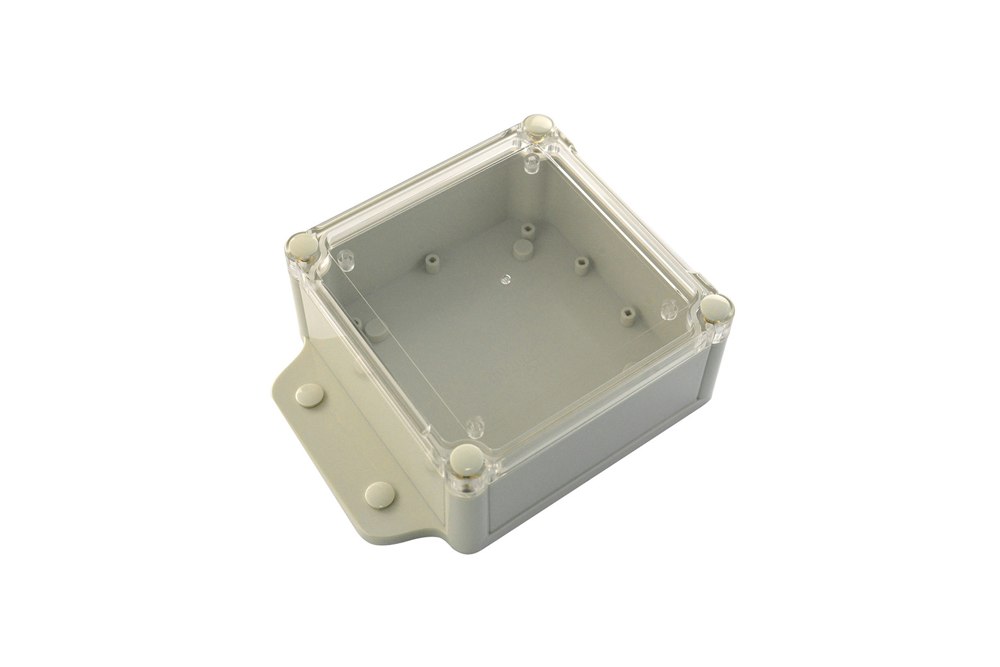
Set the board anywhere within Bluetooth range on USB power. A dry spot outside the pen needs no enclosure; if the board lives in the barn or coop itself, it goes in the sealed box to keep the dust off. No wiring between sensor and board: the puck broadcasts, the board listens.
4 · Choose where readings go
During setup the board asks for one address: where every reading should land. That is your webhook or MQTT broker. If you do not have one yet, use the Test Bench. Enter it in the program’s Set It Up section along with your Wi-Fi; its Push Now check tells you readings are landing.