
Govee H5075 at Brooder Height
A solution for brooder monitoring using the Govee H5075 Bluetooth puck at chick height and an ESP32 gateway board.
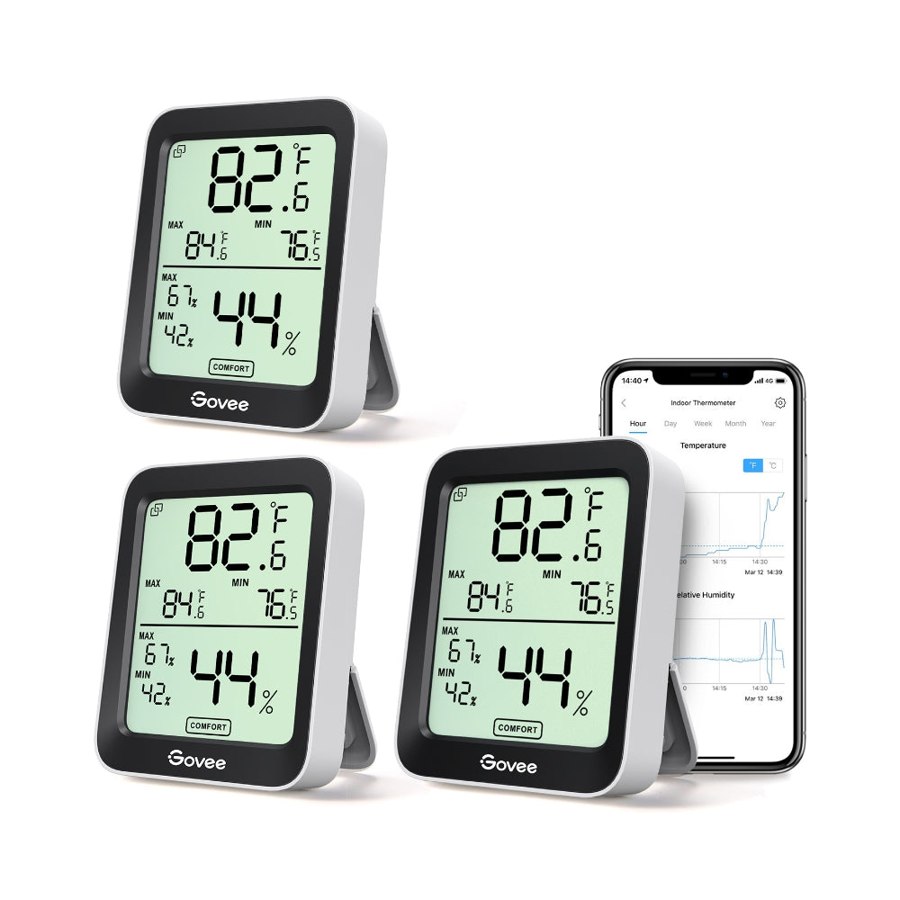
The sensor
The greenhouse build, moved to chick height: the same Bluetooth puck and the same listening board, watching the one number that decides a hatch — temperature under the lamp, at the height the chicks actually live. The heat lamp that dies at 2 a.m. becomes an alert instead of a loss.
| Measures | Temperature (H5108, wired freezer probe); temperature and humidity (H5075-class pucks) |
|---|---|
| Temperature accuracy | About ±0.3 °C (±0.54 °F) per Govee's published spec |
| Humidity accuracy | About ±3 % RH on puck models; the H5108 does not read humidity |
| Radio | Bluetooth broadcast, roughly 30 ft in the open; no pairing, no app required. A puck sealed inside a metal-walled box is a radio inside a metal box and may not be heard: the H5108 keeps its radio outside and sends only the probe in. |
| Broadcast rate | A reading every few seconds |
| Power | AAA batteries, roughly a year per set |
What you’ll need
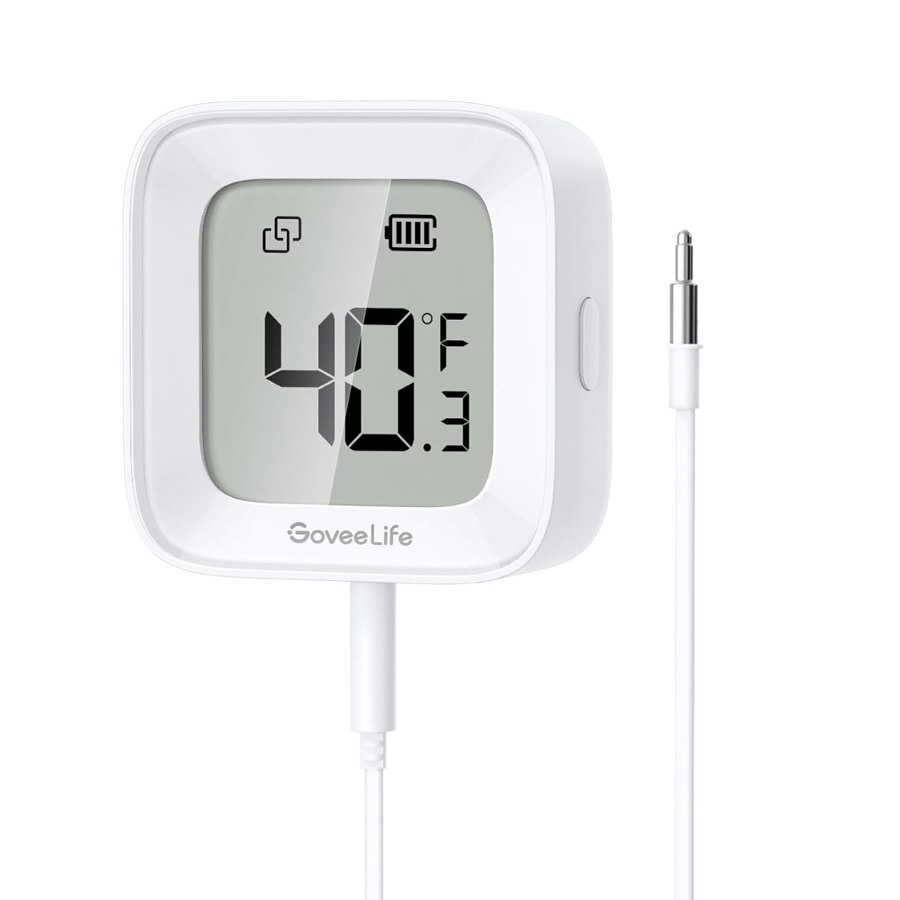
1 × Govee Bluetooth thermometer
Mounts at chick height inside the brooder ring, out of pecking reach and out of the lamp's direct beam. Broadcasts temperature and humidity every few seconds.
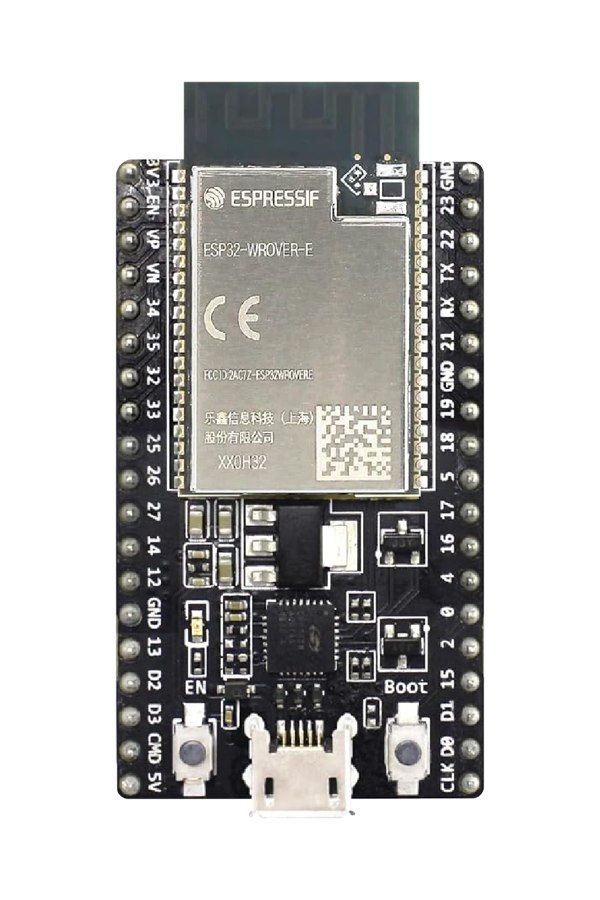
1 × An ESP32 board
Runs the BLE Sensor Listener. Hears the puck (and any others in range) and pushes each reading to the endpoint you own.
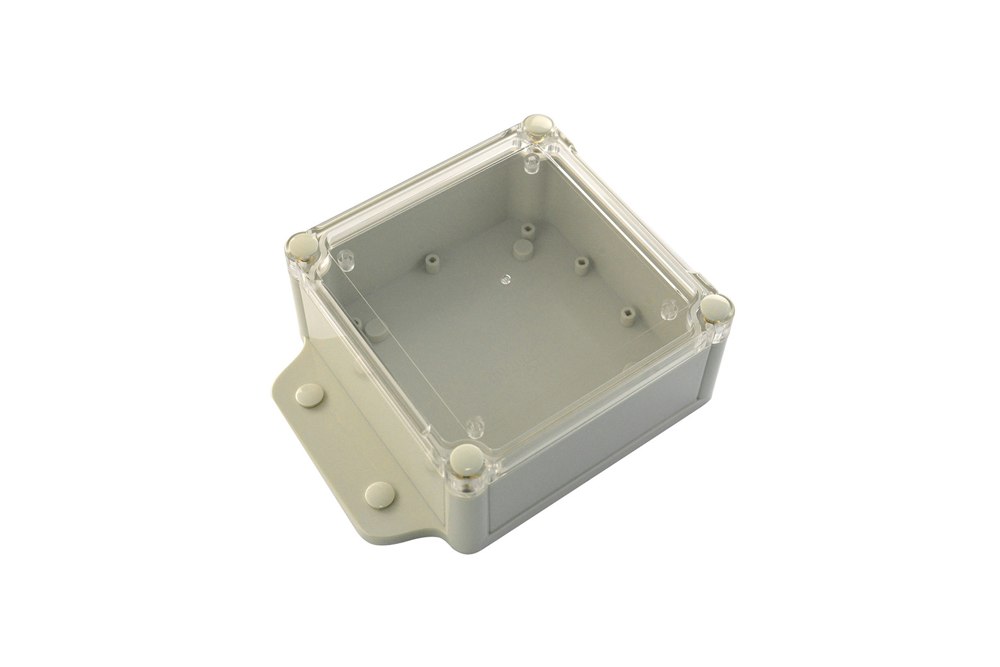
How it works
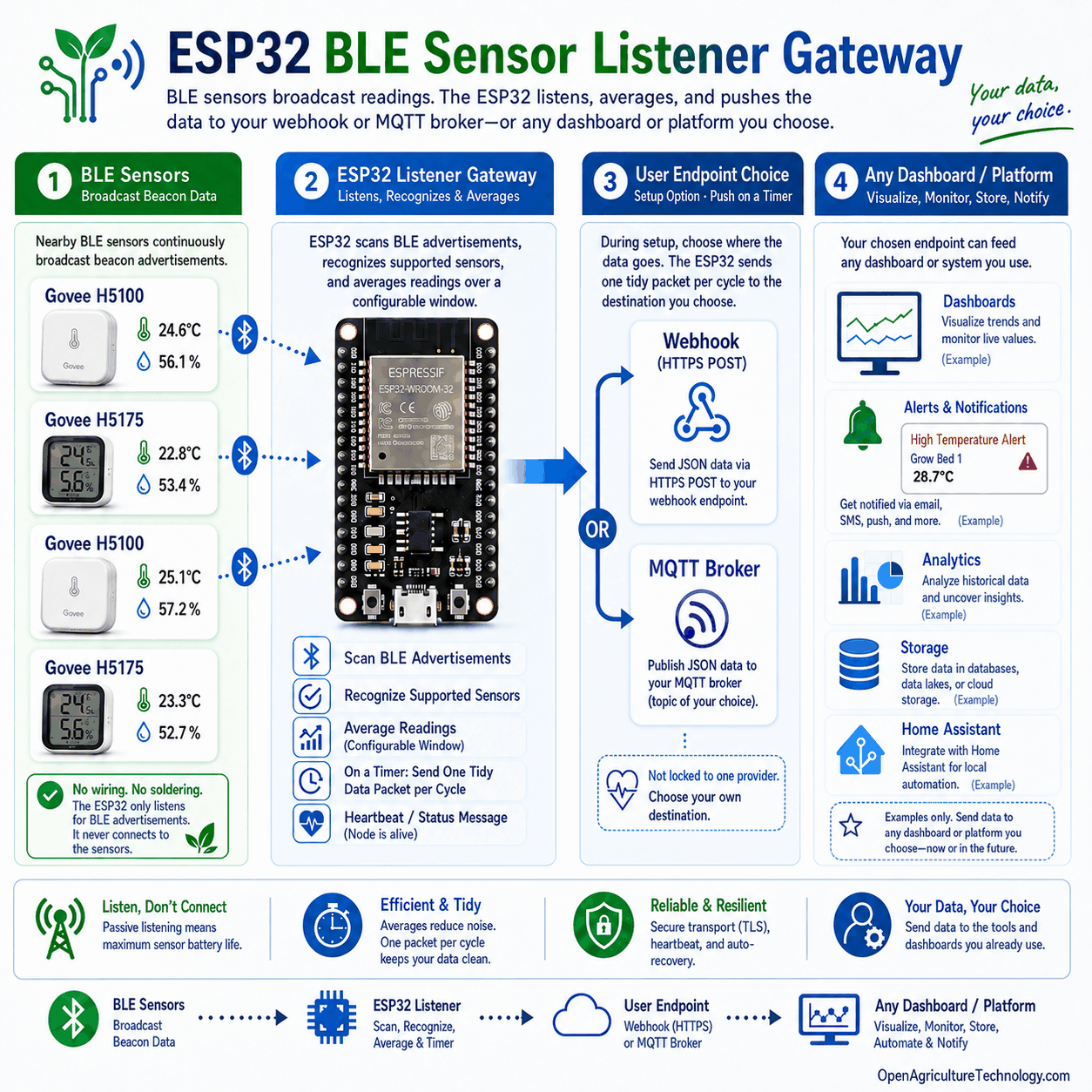
The puck broadcasts each reading over Bluetooth from inside the brooder. The gateway board, running the open-source BLE Sensor Listener, hears every broadcast and pushes it to the endpoint you choose: your webhook, your MQTT broker, or the Test Bench. The record lives where you put it; nothing passes through anyone else’s cloud, and there is no subscription.
It is the same build as the Greenhouse Monitor, mounted lower and watched tighter: the alert line that matters here is the heat lamp failing, and the record shows the drop within minutes.
About $25 in parts. Prices vary.
Questions folks ask
What temperature should a brooder be?
About 95 °F (35 °C) at chick height the first week, dropping roughly 5 °F each week as the chicks feather out. The number that matters is at the height the chicks live, not at the lamp or the room: a sensor mounted at chick height reads what they actually feel, and the chicks' behavior (huddled under the lamp = cold, pressed to the edges = hot) confirms it.
How do I get an alert when a heat lamp fails?
Watch the temperature, not the lamp. When a lamp quits, temperature at chick height starts falling within minutes, and a continuous record makes that drop visible immediately. This build keeps the record; the endpoint you point it at (Home Assistant or any tool you choose) sends the text the moment the reading crosses your line.
Can I monitor a brooder without running wires to it?
Yes. The puck inside the brooder broadcasts over Bluetooth; the listening board sits anywhere in radio range (roughly 30 to 100 feet, less through walls) on USB power. Nothing is wired to the brooder itself; the board needs Wi-Fi only where it sits.
Where does the sensor go in a brooder?
At chick height inside the ring, out of the lamp's direct beam (a sensor in the beam reads the lamp, not the air) and out of pecking reach: on the ring wall a few inches up, or hung just above the bedding. Keep it clear of the waterer's splash.
Does humidity matter in a brooder?
Yes, more than most first-timers expect: damp bedding plus warmth breeds coccidiosis, and very dry air stresses chicks. The same puck reads both numbers, so the record shows the damp corner before the smell does.
Do I need the Govee app or a Govee account?
No. The board hears the sensor's broadcast directly. No app, no account, no cloud between the sensor and your record.
What happens when the internet goes down?
The sensor keeps broadcasting and the board keeps listening. If your endpoint lives on your own network, an internet outage does not interrupt the record at all; if the endpoint is remote, readings land again the moment it is reachable.