
Visual Monitoring
Eyes in the places you cannot stand and watch, and a measuring eye on the crop itself: timed stills, thermal, infrared, and the discipline that makes a picture worth keeping.
Two different questions, two different benches
A camera answers one of two questions, and they want different money. What is happening in that place? Is the door shut, the tray dry, the pump running, what visits the pen at night. Yes-or-no answers, where cheap is a virtue because the value is how many eyes you can afford to hang. What is the plant telling me? Growth, color, early disease, pest pressure, water stress. That one demands resolution where it counts, faithful color, and a camera treated like an instrument: settings locked, geometry fixed, a reference card in the frame, stills on a schedule. Most grow-camera disappointment is hardware bought for the first question and expected to answer the second.
The good news is how little the second question costs when you spend on discipline instead of glass: the sharpest camera on the farm is the phone in your pocket, and a printed card makes it an instrument. The reasoning, the tiers, and the arithmetic live in the library links below; the rule of thumb fits in a sentence. Match the resolution to the question, not the price tag.
| The job | The honest tool | About |
|---|---|---|
| Diagnostic close-ups, on demand | Your phone + the Station Card | $0 |
| A comparable record of the crop | Raspberry Pi station, lens you choose | ~$40–90 |
| Off-grid field eye, on solar | ESP32-S3 camera | ~$15 |
| Is it flooded / shut / running? | ESP32-CAM, hung densely | ~$8 each |
| Wide weatherproof context | The IP camera you already own | $0–150 |
| Heat you can act on | Thermal, from spot sensor to phone clip | $15–250 |
Each tool links to its build page on the Configs shelf: the parts, the Station Card notes, and what software is downloadable today versus coming. Costs are parts pricing from current listings, and the tiers are our engineering judgment from published specs: none of these builds has been through a season with us yet, and each page will say so until it has.
On the bench
Watching the place
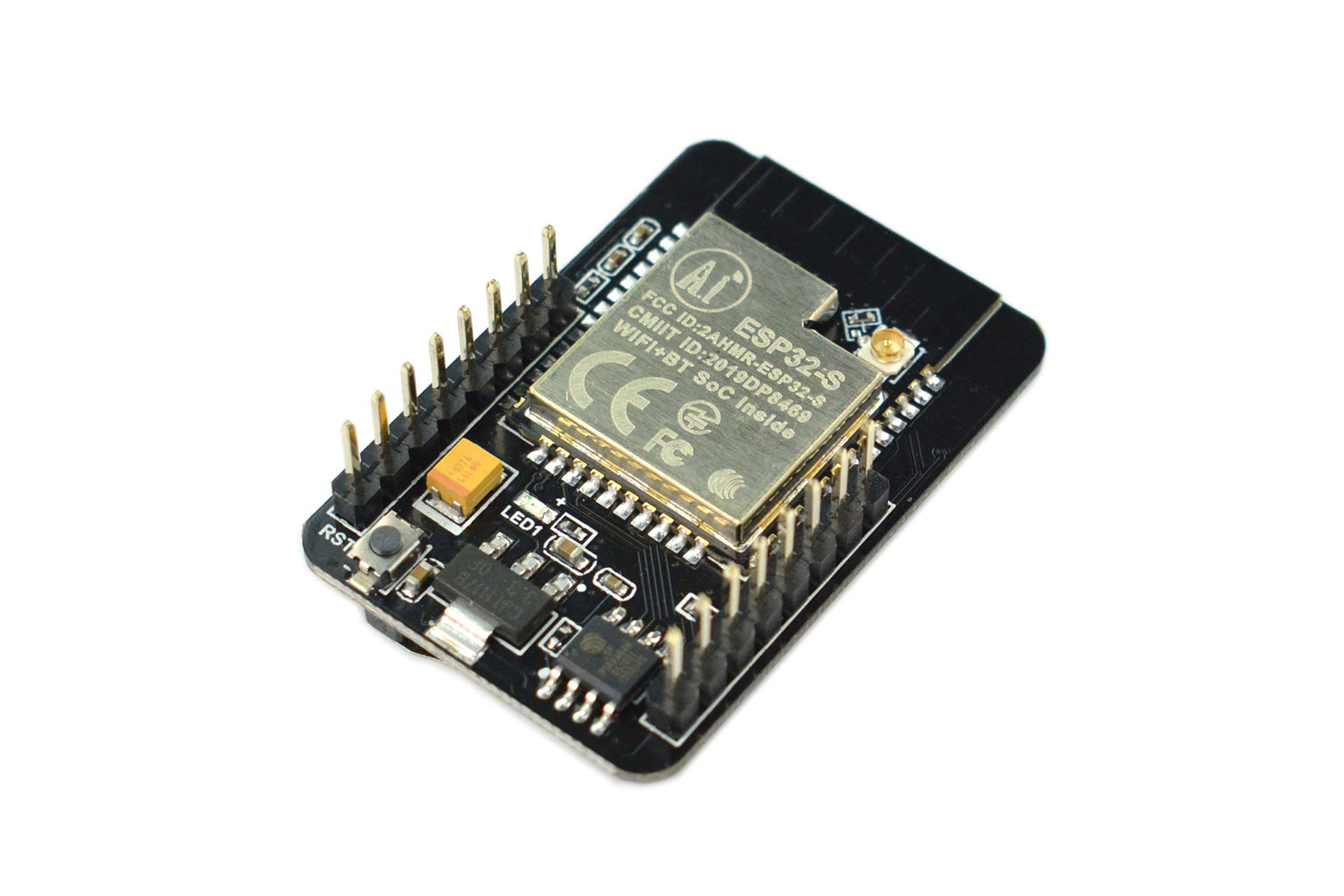
ESP32-CAM Timed-Still Camera Coming
A camera and a Wi-Fi board on one tiny module for the price of lunch. Pointed at the propagation tray or the far pen it takes a still on a schedule and pushes each frame to a place you own: germination, bloom, and the slow things you cannot stand and watch become a strip of film.
ESP32-CAM + PIR Wake Trigger
The same camera module asleep on batteries until a motion sensor wakes it: a snapshot of whatever moved, then back to sleep. The classic trail-camera pattern, built open — your pictures land at your endpoint, not in a subscription app.
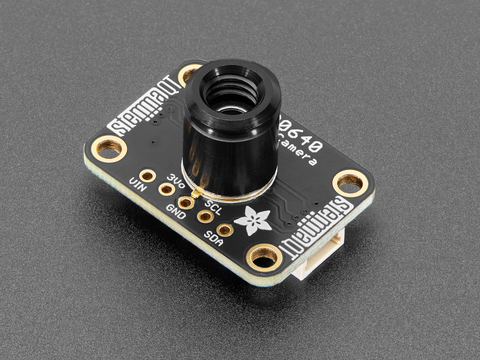
MLX90640 Thermal Imager (32×24) Coming
A 32-by-24 grid of temperatures: coarse as a picture, sharp as an instrument. Aimed at the trough it flags the fevered animal standing in the herd; aimed at the haystack it sees the hotspot forming inside; aimed at the frost pocket it maps cold settling in — thermal sight without a thousand-dollar imager.
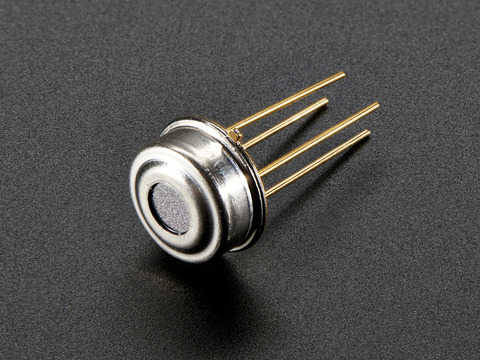
MLX90614 Fixed Spot Infrared Eye Coming
One no-contact temperature, read continuously from a fixed aim: the compost surface, the udder line at the stanchion, leaf versus air. The same eye the greenhouse aisle points at the canopy, pointed wherever a single surface temperature tells the story.
STHS34PF80 Infrared Presence Sensor
Warm-body presence with no camera and no lens: an infrared sensor that knows something living is there, in total darkness, without taking a picture of anyone. For the barn alley, the farm store after hours, and every spot where "is something there?" matters and a camera is more than you want.
Watching the plant
Your Phone + the Station Card
The sharpest camera on the farm is already in your pocket, and a printed card turns it into an instrument. With the card in the corner of the frame carrying the station's name, a scale bar, and true color, the close-up you shoot on a normal walk-through joins the same comparable record your fixed cameras feed. The cheapest instrument in this catalog is a phone and a piece of card.
Raspberry Pi High-Res Plant Station
A twelve-megapixel sensor behind a lens you choose, with the exposure locked so today's frame and last month's mean the same thing. Aimed down a propagation bench it counts what germinated; aimed at a single plant it finds the lesion while it is still the size of a pencil dot; aimed at the pack line it reads the grade: the picture becomes a measurement.
The Station Card (printable)
One printed-and-assembled card that sits in every frame and tells each picture how to be read: which station this is, what scale, what true white looks like under today's light, plus an infrared reference that is a piece of material rather than ink, because printer ink lies past the visible. Print it, clip it to the bench, replace it when it weathers. The design is free to copy.
Phone-Clip Thermal Camera
A thermal camera the size of a matchbox, clipped to the phone already making the rounds: 256 by 192 temperatures per frame. Aimed at the canopy beside a wet and a dry reference leaf it turns leaf warmth into a water-stress number; aimed across the pen it finds the fevered animal in the herd; aimed at the panel box it spots the breaker running hot. One extra shot on a walk you were taking anyway.
IP Camera Snapshot Puller
The weatherproof camera already bolted to the barn can hand over a single sharp still on request: no video stream, no cloud, no new hardware. A small scheduled request pulls one frame at the same time every day to a place you own, and the camera you bought for the driveway starts keeping a second record: the ridge vent, the yard gate, the loading dock, day after day after day.