
The Endpoint Server: Pi, Laptop, or Mini PC
The little computer that runs the server half of every build: Home Assistant, the MQTT broker, and the record, on a shelf.
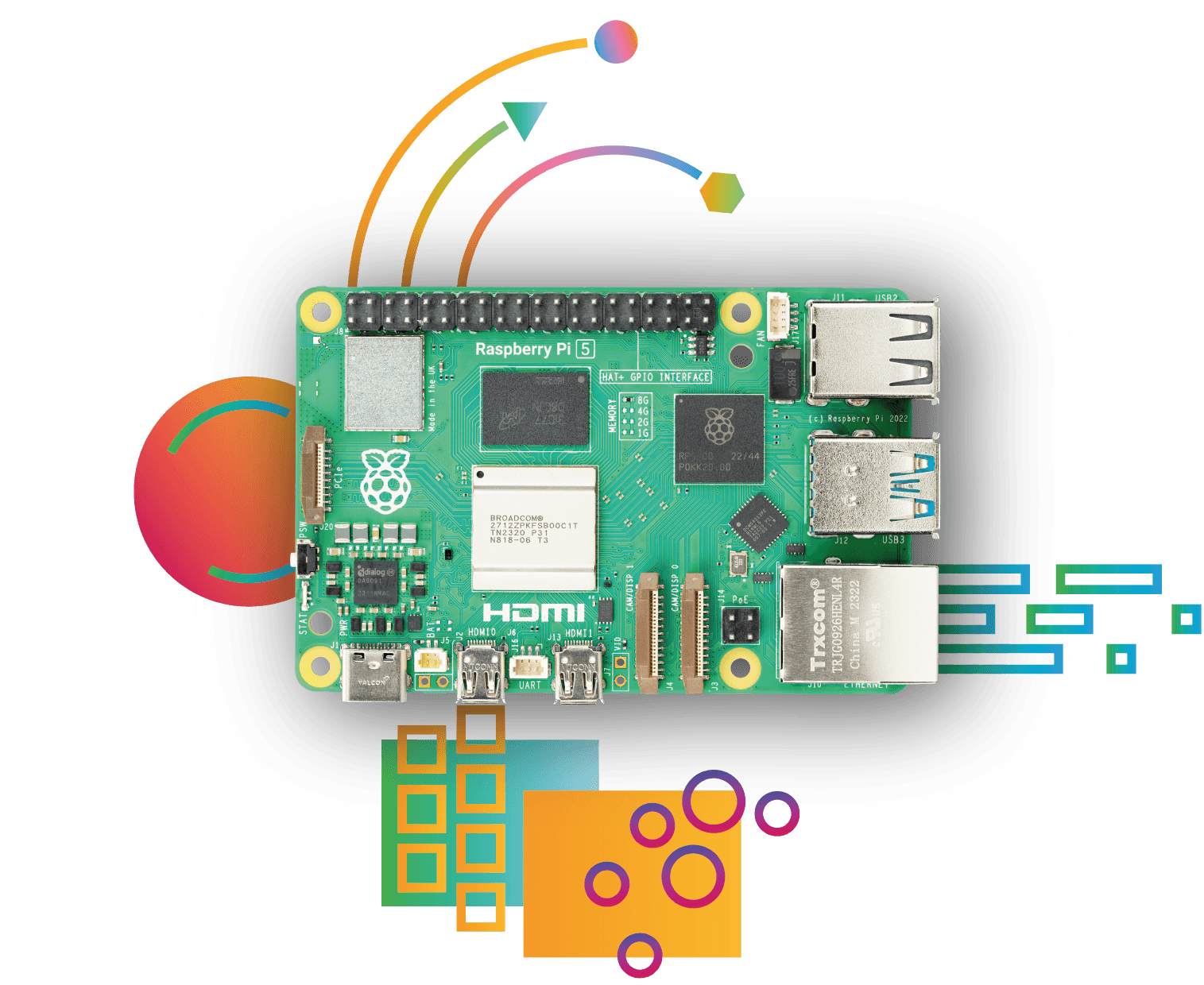
The computer
The small computer that runs the whole back half: Home Assistant, the MQTT broker, and the record, on a shelf. Pictured is the Raspberry Pi — the clean dedicated pick — but the retired laptop in the closet does the same job for free, with a built-in screen and a battery that rides out power cuts. When the heavier jobs come — a camera hub, a LoRaWAN server — it is the same shelf, working harder.
| The job | Runs Home Assistant, the MQTT broker, and the record: the server half of every build in this store |
|---|---|
| The board | Raspberry Pi 4 or 5; 4 GB of memory is plenty for the monitoring stack |
| Power | A few watts around the clock: dollars a year, not dollars a month |
| Storage | A microSD card to start; move the record to a small SSD when the history grows precious |
| Heavier jobs | The same shelf later runs a camera hub (Frigate) or a LoRaWAN network server |
How it works
One small board on a shelf runs the whole back half of this store: Home Assistant for the dashboards and alerts, the MQTT broker the sensors publish to, and the record itself, on storage you own. It draws a few watts, makes no noise, and works with the internet down.
The Raspberry Pi guide covers picking the board and storage; the Home Assistant install ladder takes it from blank card to working endpoint. And if a retired laptop is gathering dust, read the repurposing path first — it is the free version of this listing, with a built-in battery backup.
About $100 all-in. Prices vary.
Questions folks ask
What is the best small server for farm sensor monitoring?
A Raspberry Pi is the default answer: silent, a few watts, runs Home Assistant and an MQTT broker without strain, and costs about a hundred dollars all-in. The honest rival is a repurposed laptop you already own — free, with a built-in screen and a battery that rides out power cuts.
Raspberry Pi or an old laptop for Home Assistant?
If you own a retired laptop, use it: it costs nothing, its battery is a free UPS, and its screen makes setup easier. Buy a Pi when you want a clean dedicated box on a shelf, lowest power draw, and hardware that lives happily in a cabinet for years. Our install ladder covers both paths.
Can a Raspberry Pi handle years of sensor readings?
Yes. A monitoring stack of this size is light work for a Pi 4 or 5; the one care point is storage. Start on a quality microSD card, and when the history becomes something you would mind losing, move the record to a small SSD and back it up like anything else you own.
Does the endpoint server need to be online to the internet?
No. Everything — broker, dashboards, record — lives on your own network and works with the internet down. You add remote access only if you want to check the farm from town, and you choose how.