
Govee H5108 Bluetooth Thermometer
A solution for coldchain monitoring using the Govee H5108 Bluetooth thermometer and an ESP32 gateway board.
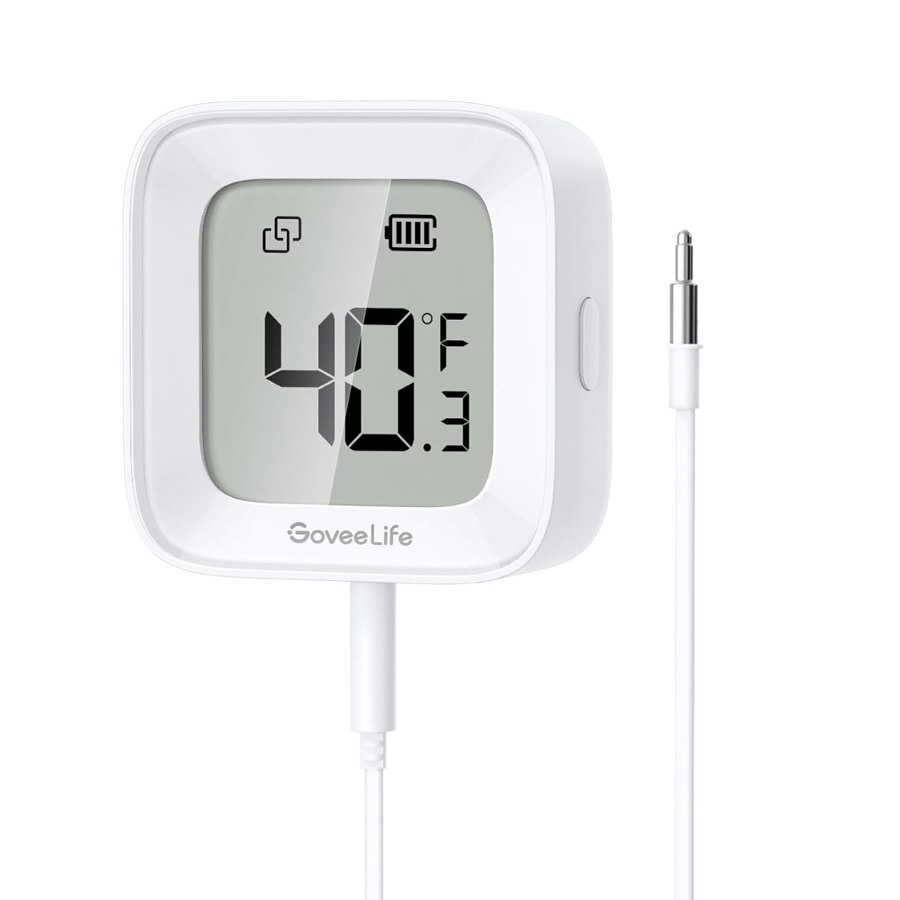
The sensor
A freezer-rated Bluetooth thermometer. The wired probe goes inside the cold space; the body, batteries, and radio stay outside where they can be heard. Measures temperature to about ±0.3 °C, broadcasts a fresh reading every few seconds, and runs about a year on two AAA batteries.
| Measures | Temperature (H5108, wired freezer probe); temperature and humidity (H5075-class pucks) |
|---|---|
| Temperature accuracy | About ±0.3 °C (±0.54 °F) per Govee's published spec |
| Humidity accuracy | About ±3 % RH on puck models; the H5108 does not read humidity |
| Radio | Bluetooth broadcast, roughly 30 ft in the open; no pairing, no app required. A puck sealed inside a metal-walled box is a radio inside a metal box and may not be heard: the H5108 keeps its radio outside and sends only the probe in. |
| Broadcast rate | A reading every few seconds |
| Power | AAA batteries, roughly a year per set |
What you’ll need
1 × Govee Bluetooth thermometer
Watches the cold from outside it: the H5108's wired probe reaches into the cooler while its body and radio stay out where they can be heard. Broadcasts every few seconds.
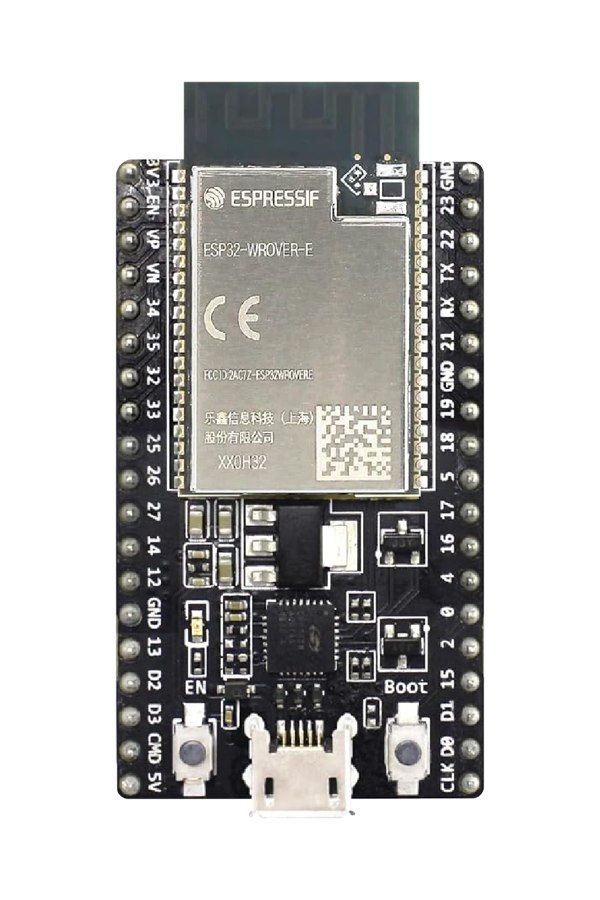
1 × An ESP32 board
Runs the BLE Sensor Listener. Sits within Bluetooth range of the cooler, hears every reading, and pushes each one to the endpoint you own.
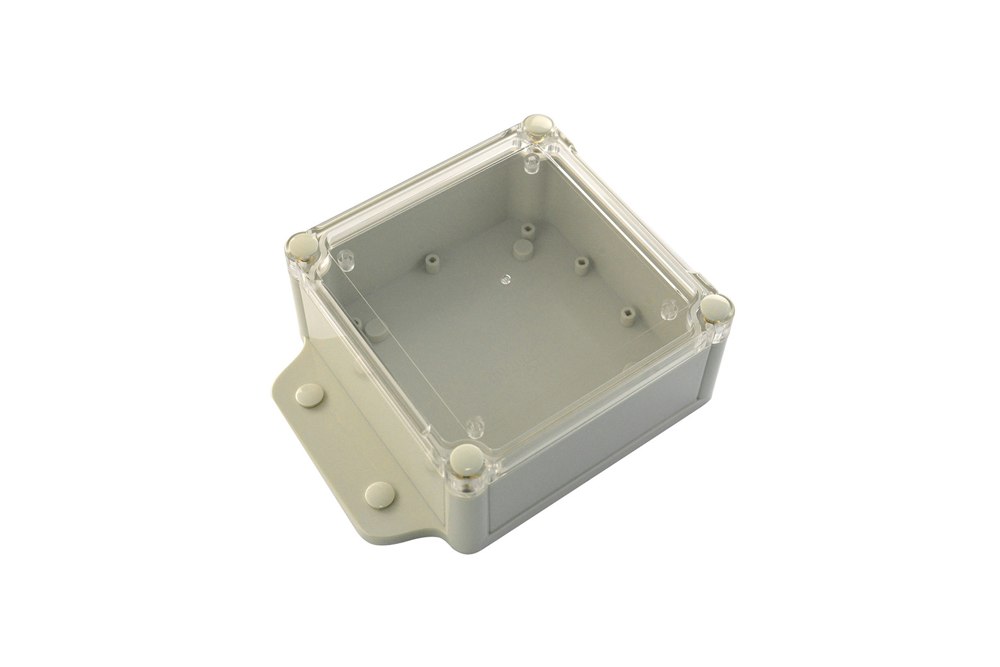
1 × IP65 sealed project box
Keeps the board dry in a washdown room, a barn, or outside.
The gateway runs on any ESP32 board: classic, C6, or C3. All three run the same firmware and do the same job; you pick yours when you flash.
How it works
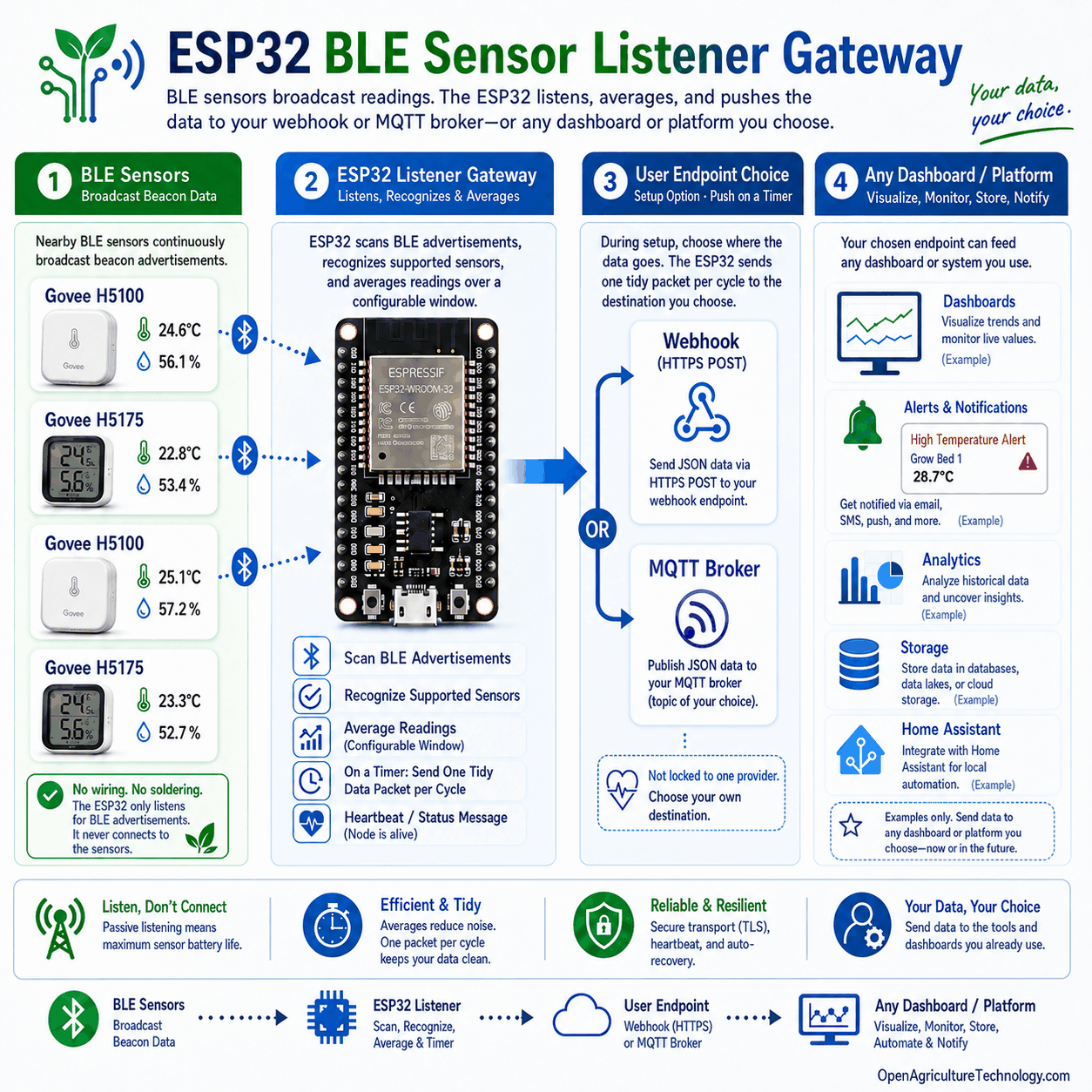
The thermometer broadcasts each reading over Bluetooth. The gateway board, running the open-source BLE Sensor Listener, hears every broadcast and pushes it to the endpoint you choose: your webhook, your MQTT broker, or the Test Bench. The record lives where you put it; nothing passes through anyone else’s cloud, and there is no subscription.
About $25 in parts. Prices vary.
Questions folks ask
How do you monitor a walk-in cooler remotely?
Put a probe inside the cooler, keep the sensor's radio outside it, and let a small board carry every reading to a place you can see from anywhere. This build does it with a probe-style Bluetooth thermometer and a listening board that pushes each reading to an endpoint you own: no subscription service in the middle, about $25 in parts, built in about an hour.
How do you get an alert before a cooler failure ruins product?
Watch the drift, not the failure. A compressor usually drifts warm for hours before it dies, and a continuous record makes the drift visible. This build keeps that record around the clock; the endpoint you point it at (Home Assistant or any tool you choose) sends the text the moment a reading crosses your line.
Is there a cooler temperature monitor with no monthly fee?
Yes. This build has no fee, ever: the parts are yours, the firmware is open source, and readings land in a place you own instead of a paid cloud. Commercial cold-chain monitors charge a subscription because they run the cloud for you; owning the endpoint removes that layer.
Do I need a temperature log for food safety?
Many food-safety programs and buyers ask for a continuous temperature record, and a paper log on a clipboard is the usual answer. This build writes the same record automatically, timestamped, into a database you own, so you can export it however a buyer or inspector wants to see it.
Will this work in a freezer?
Yes. The freezer-rated GoveeLife H5108 puts a wired probe inside while its body, batteries, and radio stay outside. That design matters twice: batteries fade in deep cold, and a sensor sealed inside a metal-walled box is a radio inside a metal box that may never be heard. Probe in, radio out solves both.
Do I need Wi-Fi inside the cooler?
No, and nothing needs to reach through the cooler wall at all: metal walls block radio, which is exactly why the H5108's body and radio sit outside with only the wired probe inside. Sensor and listening board talk over Bluetooth in open air; the board needs Wi-Fi only where it sits.
Does this replace the cooler's own thermostat or alarm?
No, and it is not meant to. The refrigeration keeps its own controls. This build is a second, independent witness: it keeps a continuous record in a place you own, so a drift becomes an alert and a compliance question has an answer.
Do I need the Govee app or a Govee account?
No. The board hears the sensor's broadcast directly. No app, no account, no cloud between the sensor and your record.
What happens when the internet goes down?
The sensor keeps broadcasting and the board keeps listening. If your endpoint lives on your own network, an internet outage does not interrupt the record at all; if the endpoint is remote, readings land again the moment it is reachable.
Can one board watch more than one cooler?
Yes. The listener hears every supported sensor in Bluetooth range: put a sensor in each cooler and one board carries them all, each reading labeled by sensor.
Does this measure humidity too?
It depends on the sensor. The freezer-rated H5108 measures temperature only. A puck-style Govee like the H5075 adds humidity, but it is not freezer-rated and it would have to sit fully inside the cold space, where metal walls can trap its radio. The one sensor in this catalog that gives both temperature and humidity from a single wired probe is the SHT-30, and the wired SHT-30 version of this monitor is next on the bench.