

Tomatoes are where controlled-environment growing gets serious: a high-light, hungry, long-season crop that rewards a steady hand and punishes neglect of two specifics, pollination and calcium.
What it wants
A tomato is a demanding plant with clear numbers:
- Temperature, 70 to 77°F by day and a real drop to 60 to 65°F at night. That night dip drives fruit set.
- Light, high: a DLI of 20 to 30 mol/m²/day. Tomatoes are a bright-light crop and fruit quality follows the light.
- Feeding, pH 5.5 to 6.5, with EC climbing from about 2.0 in growth to 3.0 to 3.5 as it fruits, leaning on potassium.
- Humidity and air, VPD near 0.8 to 1.2 kPa, with air movement. Pollination needs moderate humidity, not damp, stagnant air.
- Roots, stable, warm, and well-oxygenated; swings in the root zone show up as fruit disorders.
The arc
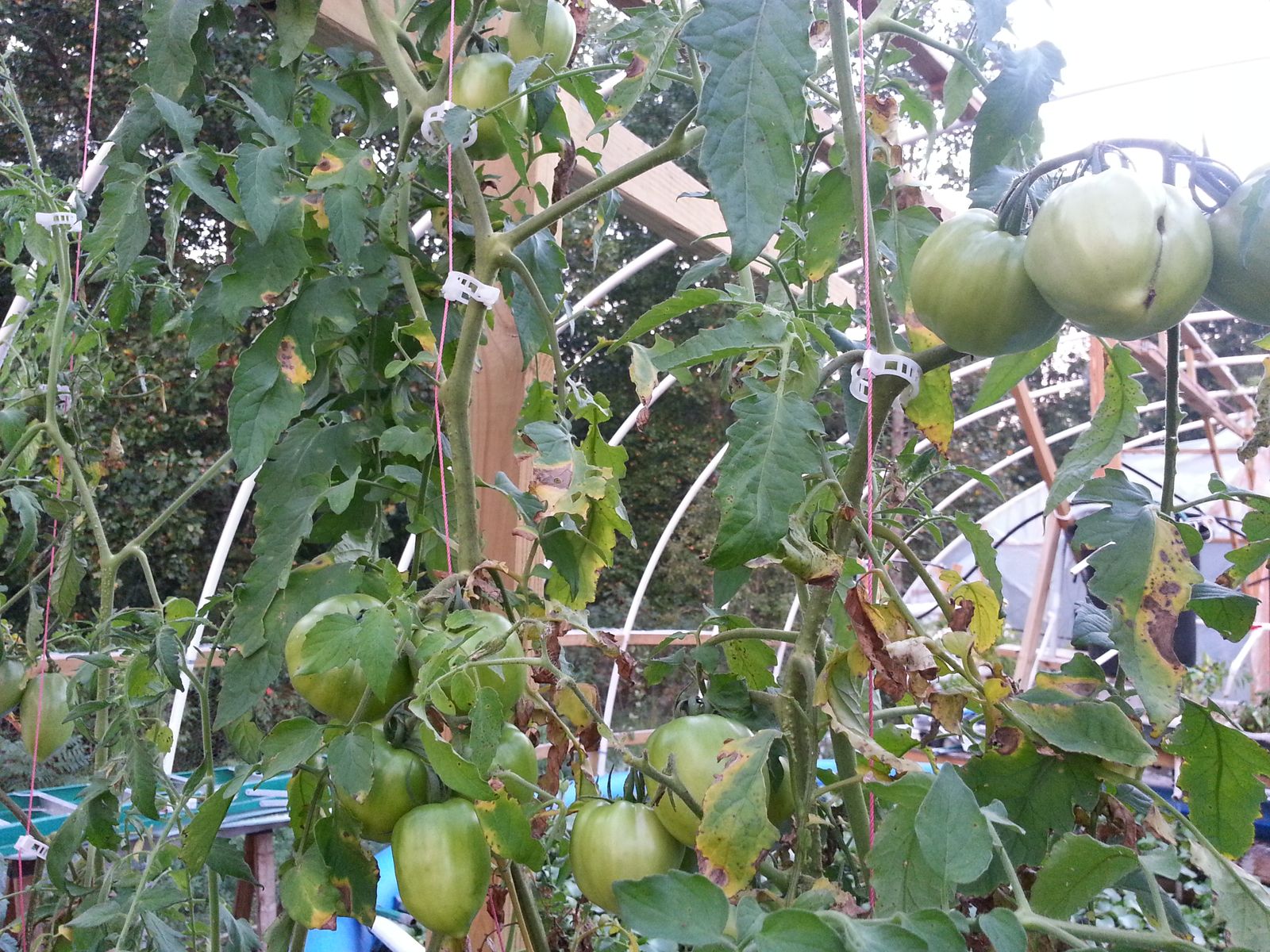
From seed, a tomato spends four to six weeks as a transplant, then sets its first fruit and reaches first harvest about two to three months in. An indeterminate (vining) plant then produces continuously for months, trained up a string and pruned of side shoots. The calendar is less about a finish line than about keeping a long, steady plant fed and supported.
What it fears
Blossom-end rot (a sunken brown patch on the fruit base) is a calcium-delivery failure, usually from uneven watering or EC swings, not a lack of calcium in the tank; steady moisture fixes it more often than more calcium does. Pollination failure is the indoor classic: without wind or bees, the flowers need a daily shake, a vibrating wand, or bumblebees to set fruit. Heat above the high 80s also drops blossoms. Watch too for leaf mold and botrytis in damp, still air.
Getting it right
Give it light, give it a cool night, and keep the water and feed steady so calcium reaches the fruit. Plan to pollinate: a pollination aid or a daily vibration routine is not optional indoors. Prune to a single leader, train it up, and feed harder as trusses load. The cultivar browser sorts greenhouse types from field types, and a Brix check turns flavor into a number you can track.
Tools for this crop
Frequently asked questions.
What causes blossom-end rot in tomatoes?
Blossom-end rot is a calcium-delivery problem in the fruit, and it is usually caused by uneven watering or swings in nutrient strength rather than a true lack of calcium in the feed. When the plant's water uptake stutters, calcium does not reach the fast-growing fruit tip. Steady, consistent moisture and stable EC prevent it more reliably than adding calcium.
How do I pollinate greenhouse tomatoes?
Tomato flowers self-pollinate but need movement to shake the pollen loose, which indoors means you supply it: a daily gentle shake of the trusses, an electric pollination wand or toothbrush against the stem, a fan, or a bumblebee colony. Mid-day with moderate humidity gives the best set; very high or very low humidity and heat above the high 80s reduce it.
What EC and pH do hydroponic tomatoes need?
Hold pH around 5.5 to 6.5 and raise nutrient strength as the plant matures: roughly EC 2.0 mS/cm during early growth, climbing to 3.0 to 3.5 through heavy fruiting, with potassium leading the fruiting feed. Keep the root zone steady, since EC swings drive disorders like blossom-end rot.